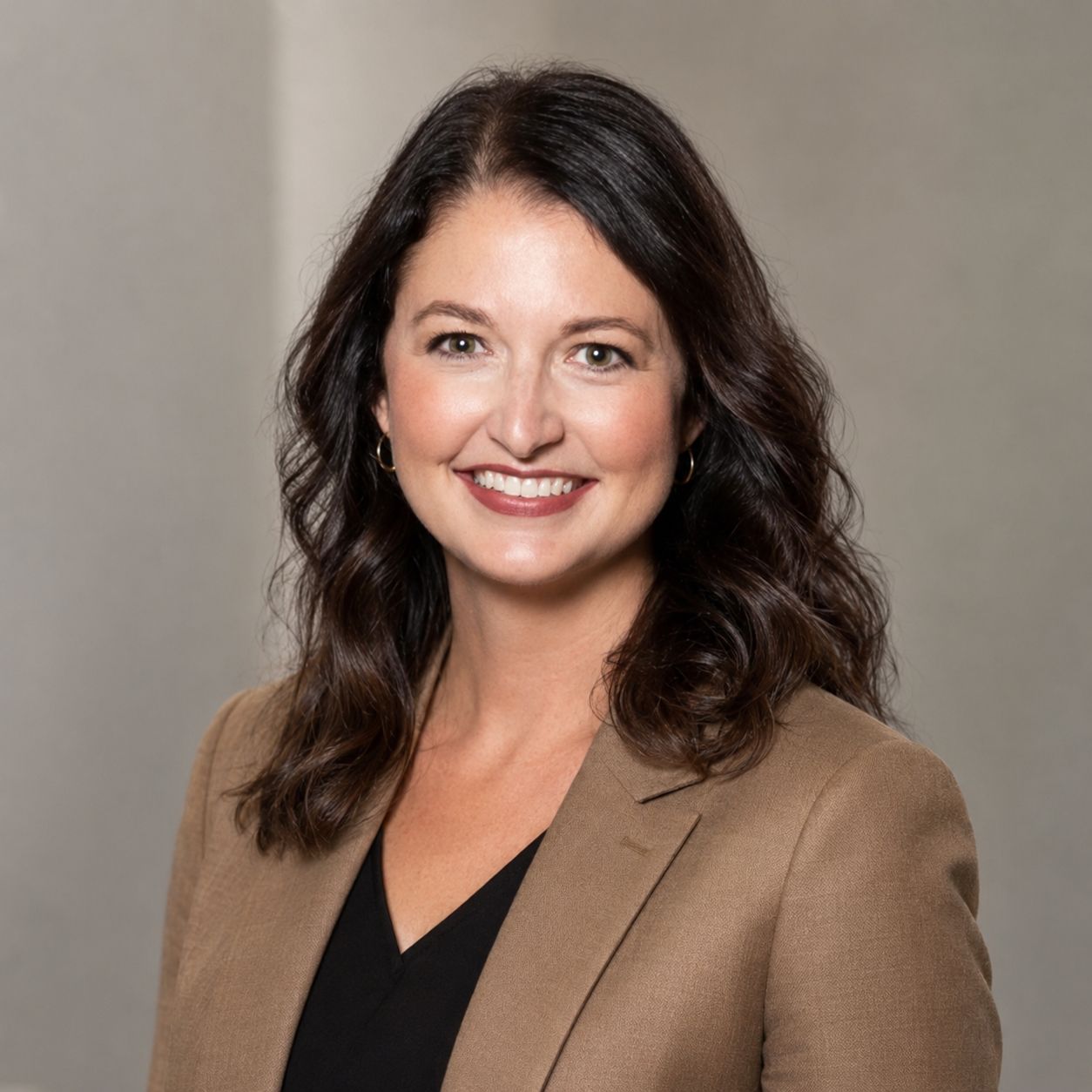
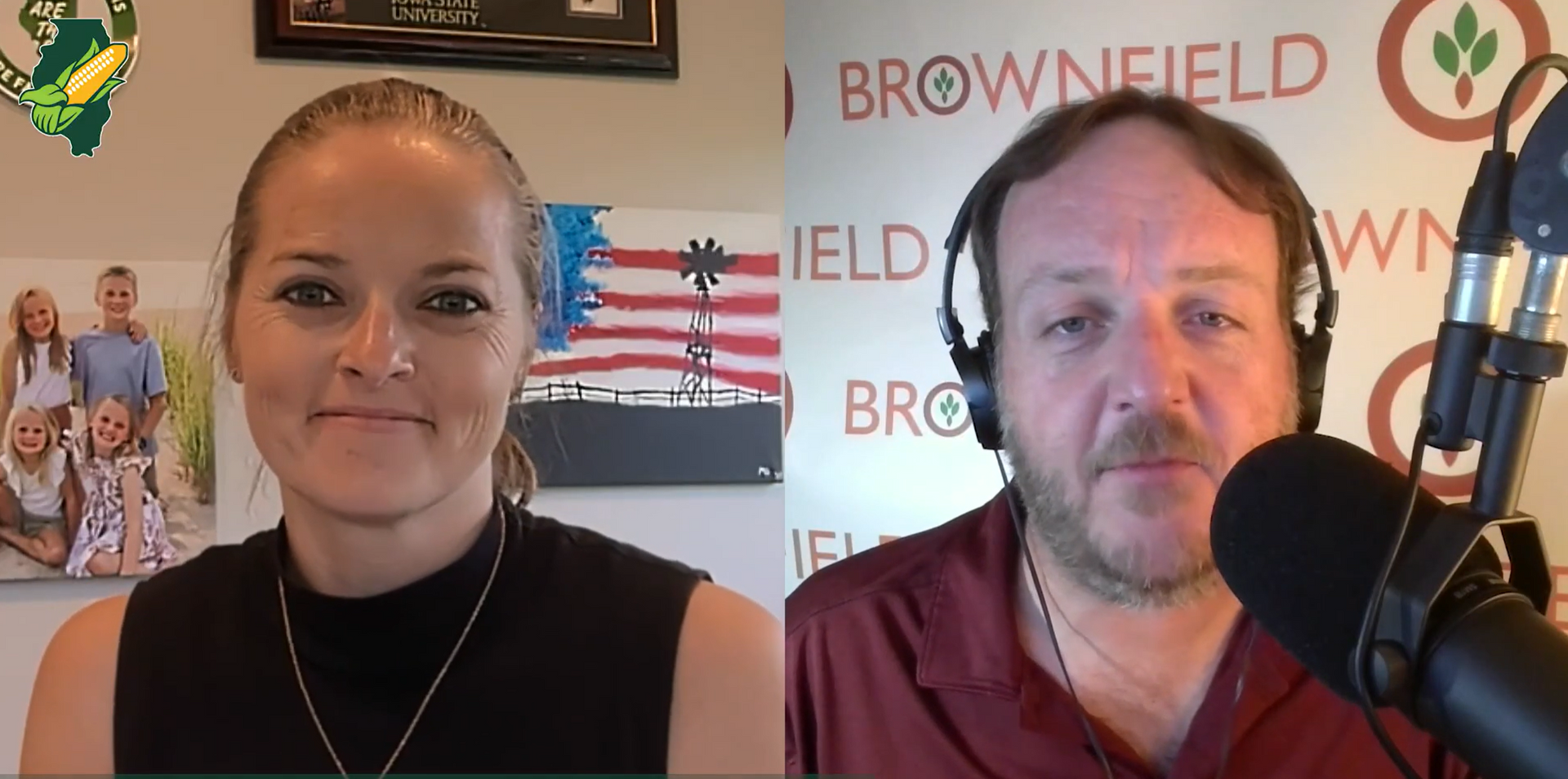
Q: For those who may not know you yet, tell us a little about yourself and how you got involved in the fertilizer and crop protection industry.
A: I’ve spent my career in Illinois agriculture, most recently at Illinois Farm Bureau, where I had the opportunity to work across a wide range of issues and build relationships with farmers, agribusinesses, food companies, and other ag stakeholders throughout the state.
While I’m relatively new to the fertilizer and crop protection industry specifically, I’m certainly not new to agriculture or to the policy and regulatory issues that affect it. What attracted me to IFCA was the opportunity to bring together so many things I enjoy — working with people, advocating for agriculture, building relationships and helping an organization navigate complex issues.
Since joining IFCA, I’ve really enjoyed getting out and learning even more about our members’ businesses and the significant amount of expertise that exists within this industry.
Q: You’re stepping into the role of IFCA president at an interesting time for agriculture. What are some of the biggest issues you see facing Illinois fertilizer and crop protection professionals and ultimately Illinois farmers?
A: Agriculture is always changing, but I think the pace and complexity of that change continues to increase. Our members are navigating an increasingly complicated regulatory environment, changing expectations around nutrient and pesticide stewardship, workforce challenges, and continued economic pressure throughout agriculture.
One thing I’ve learned very quickly is how interconnected all of those issues are. A regulation that affects an ag retailer or applicator ultimately has an impact on the farmer they serve. That’s why it’s so important that we have practical, science-based conversations about policy and regulation and that the people who actually work with these products every day have a seat at the table.
For IFCA, a big part of our role is making sure policymakers and regulators understand what implementation looks like in the real world, while also helping our members understand and adapt to changing requirements. I think maintaining that dialogue is going to be increasingly important.
Q: There’s a lot of conversation around nutrient management and environmental stewardship. What are some of the things you’re seeing in the industry that you think deserve more attention or recognition?
A: I think there is sometimes a disconnect between the public conversation around nutrient management and the amount of work that is already happening on the ground.
Our industry has invested a tremendous amount of time, research and resources into improving nutrient-use efficiency and helping farmers make informed decisions about when, where and how nutrients are applied. There is also a real willingness among our members to continue learning and improving.
Environmental stewardship and productive agriculture don’t have to be competing goals. In many cases, the practices that keep nutrients where the crop can use them are also good agronomic and economic decisions for farmers. I think the collaborative work happening among farmers, retailers, researchers, universities and other agricultural organizations deserves more recognition, even as we acknowledge there is still work to do.
Q: What do you wish more farmers knew about the people and businesses working behind the scenes to get fertilizer and crop protection products where they need to be at the right time?
A: Probably just how much expertise, planning and responsibility goes into making it all happen. When everything works the way it should, it can be easy to take for granted that the right product is at the right place at the right time. Behind that are people managing logistics, regulatory compliance, product stewardship, safety, agronomy and application, often during an incredibly compressed spring or fall season.
One of the things I’ve appreciated most since coming to IFCA is seeing how much our members care about doing things the right way. These businesses are part of their communities. Their customers are their neighbors and friends, and many of them have relationships with farm families that span generations. They take a lot of pride in helping those farmers succeed.
Q: What’s something surprising you’ve learned in the first couple months at IFCA that would be surprising for others?
A: I don’t know that I fully appreciated before taking this role just how much IFCA and its members are involved in beyond what most people would traditionally think of as “fertilizer and chemicals.”
There is a significant amount of work behind the scenes around safety, training, regulatory compliance, education, stewardship and working with state agencies and other partners. I’ve also been impressed by the amount of technical expertise within our membership. When an issue comes up, there is almost always someone in this industry who has spent years — often decades — understanding the details of it.
As President, I don’t see my job as being the person in the room who knows the most about every technical issue. My job is to listen to those experts, ask the right questions, bring people together and make sure their knowledge and real-world experience are represented when decisions are being made.