January-March Highlights Annual Report
Tara Desmond
January 6, 2026
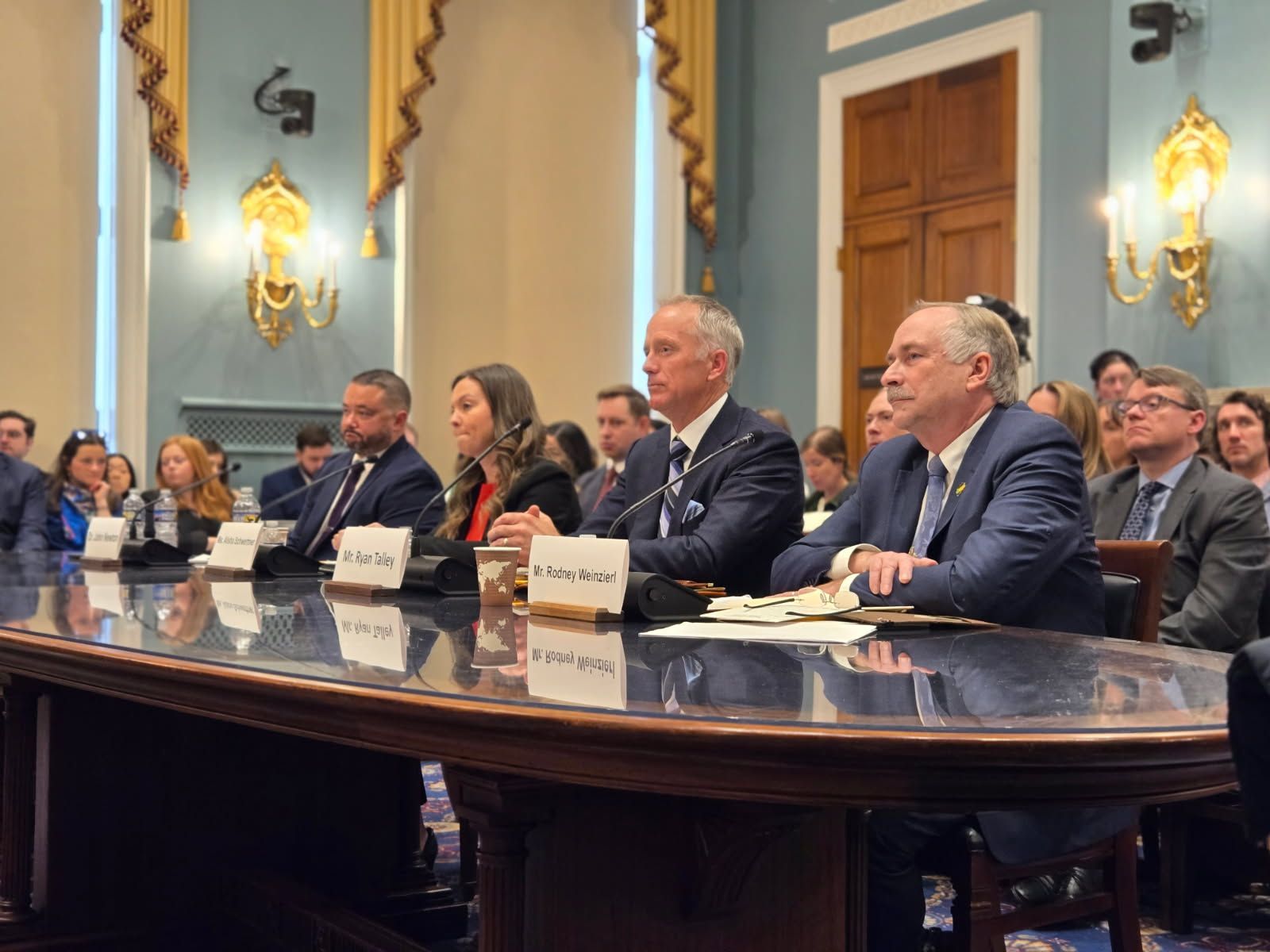
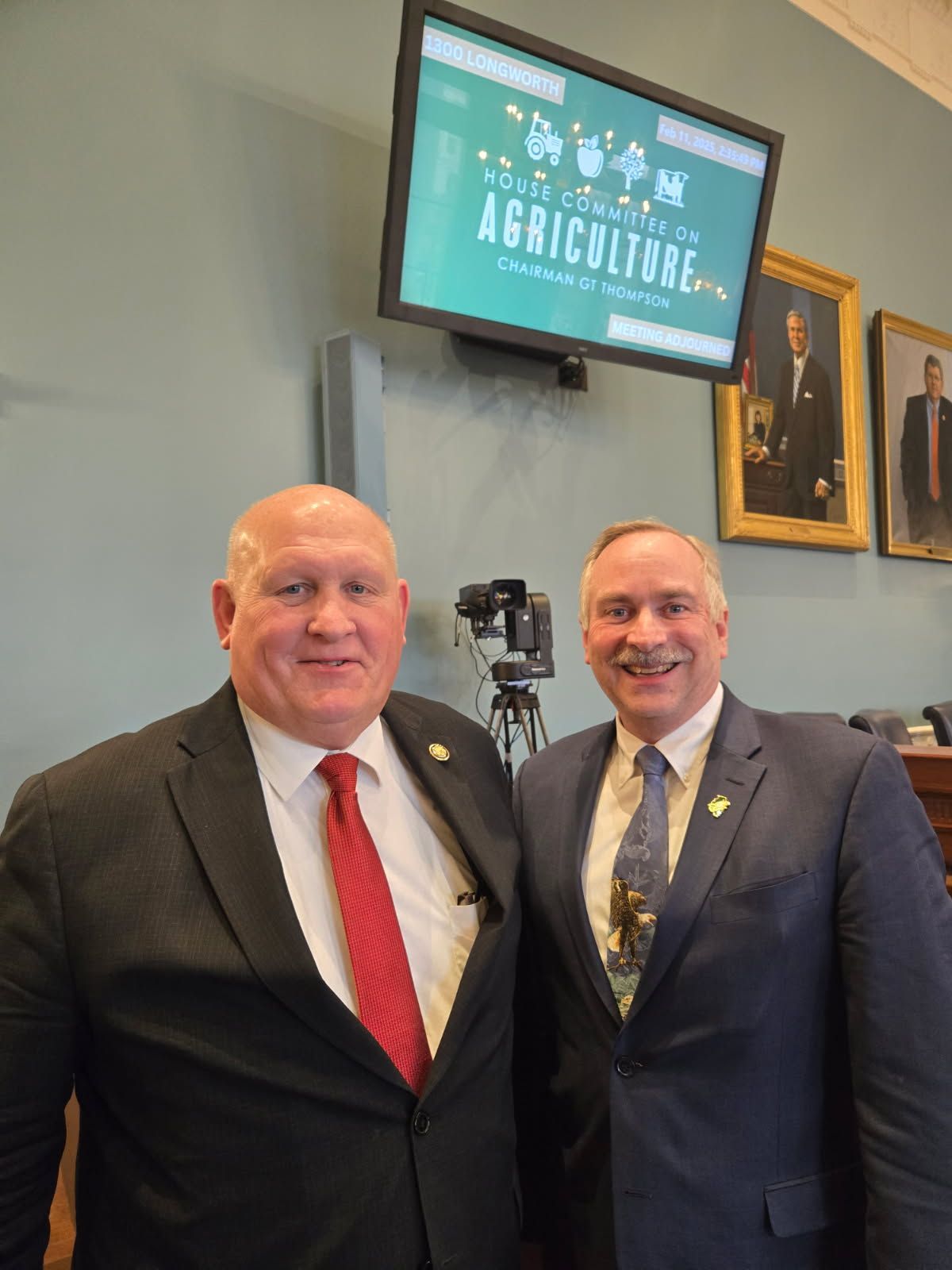
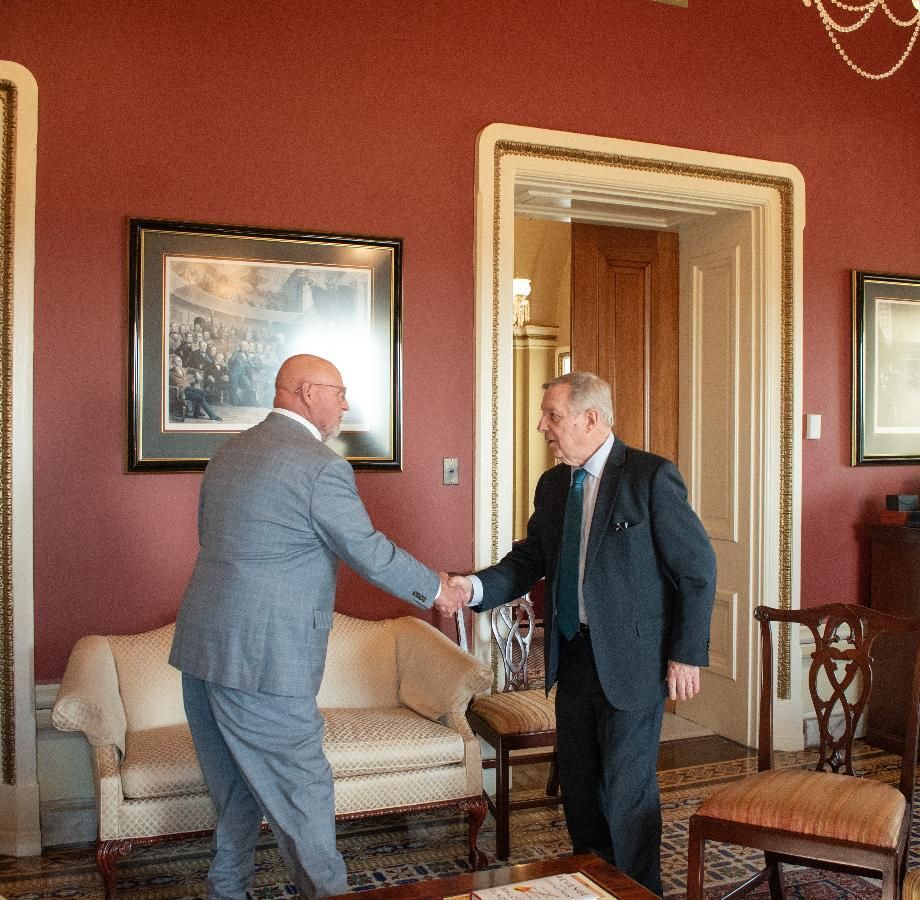
- Rod Weinzierl Testifies in Washington, D.C.
- ICGA Executive Director Rod Weinzierl provided federal testimony in the House Agriculture Committee, delivering firsthand insight on farmer economics, transportation challenges, and biofuels policy.
- His testimony reinforced ICGA’s leadership role on national issues and brought Illinois farmers’ priorities directly to federal decision-makers.
- E15 in Illinois
- EPA’s summer waiver permitted E15 sales in Illinois throughout the 2025 driving season.
- While this supports ethanol demand and consumer choice, the waiver is temporary. IL Corn continues advocating for a permanent, nationwide fix.
- Strong Federal Advocacy Presence
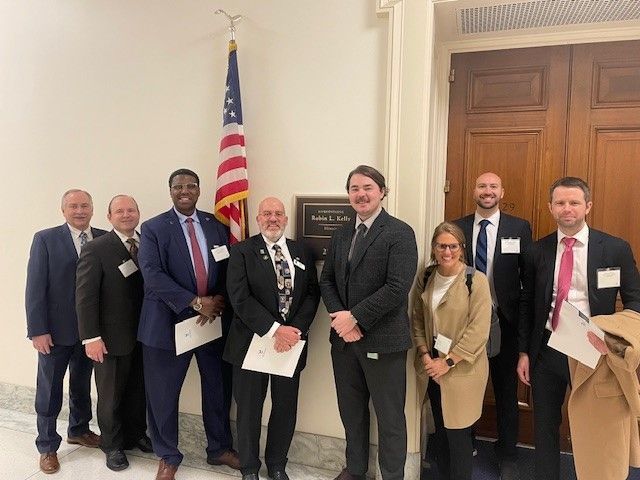
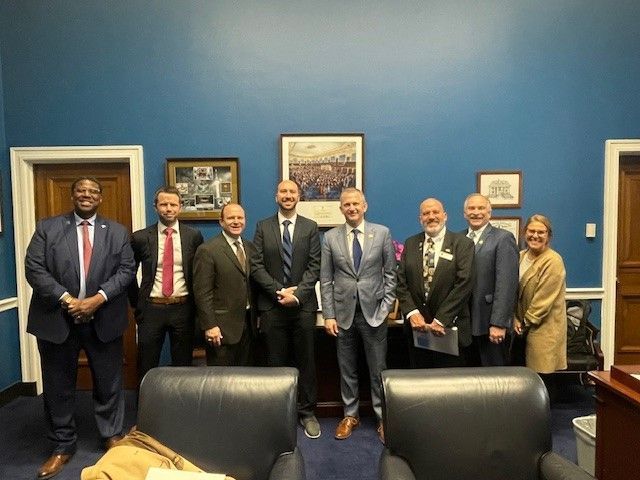
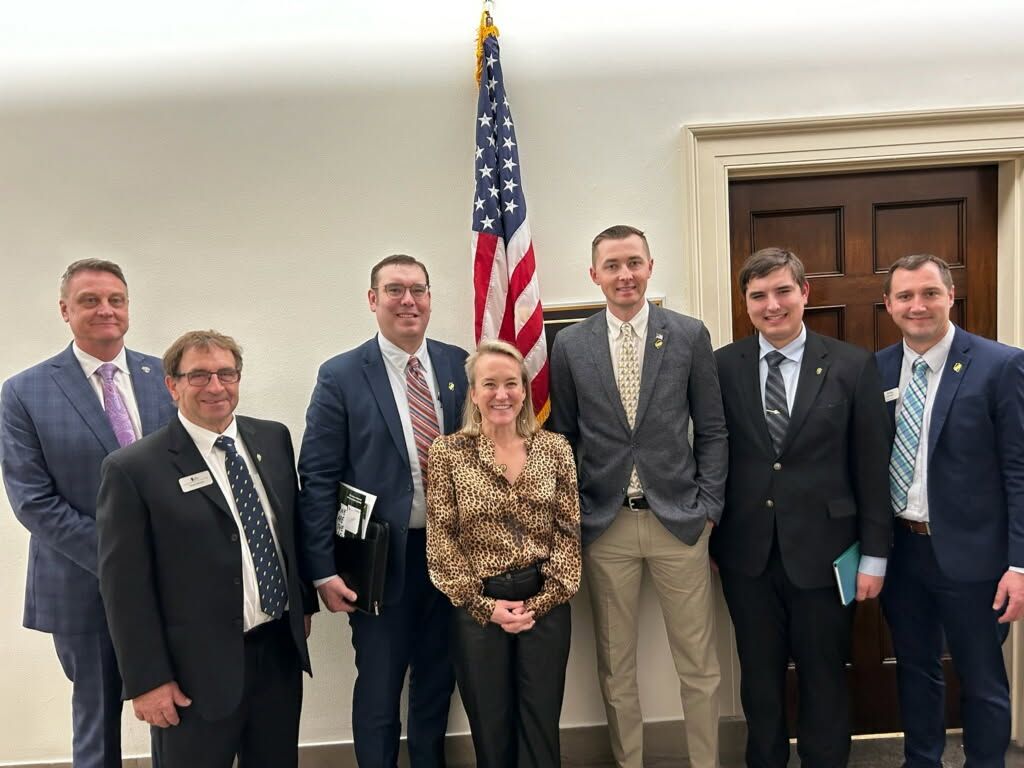
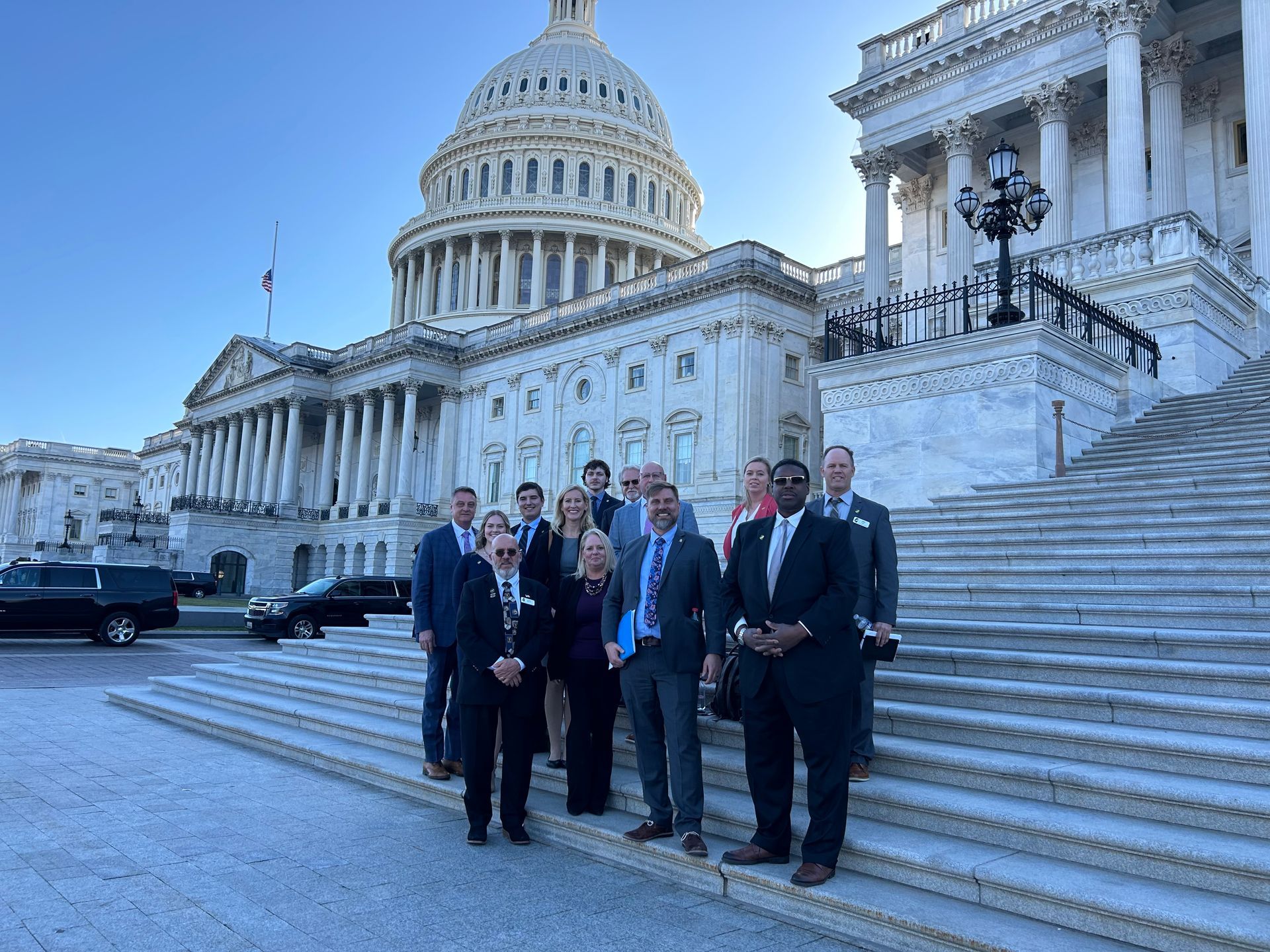
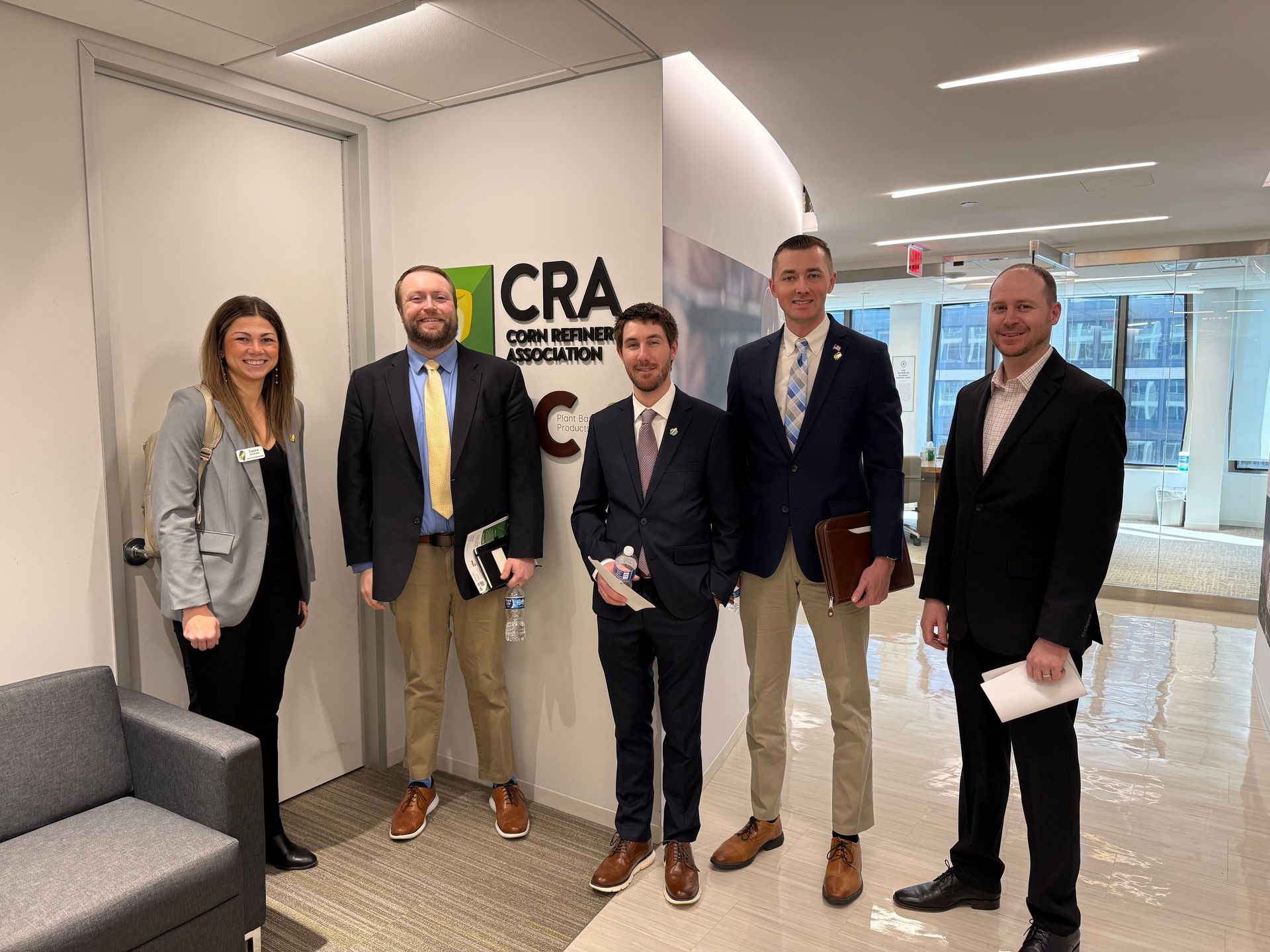
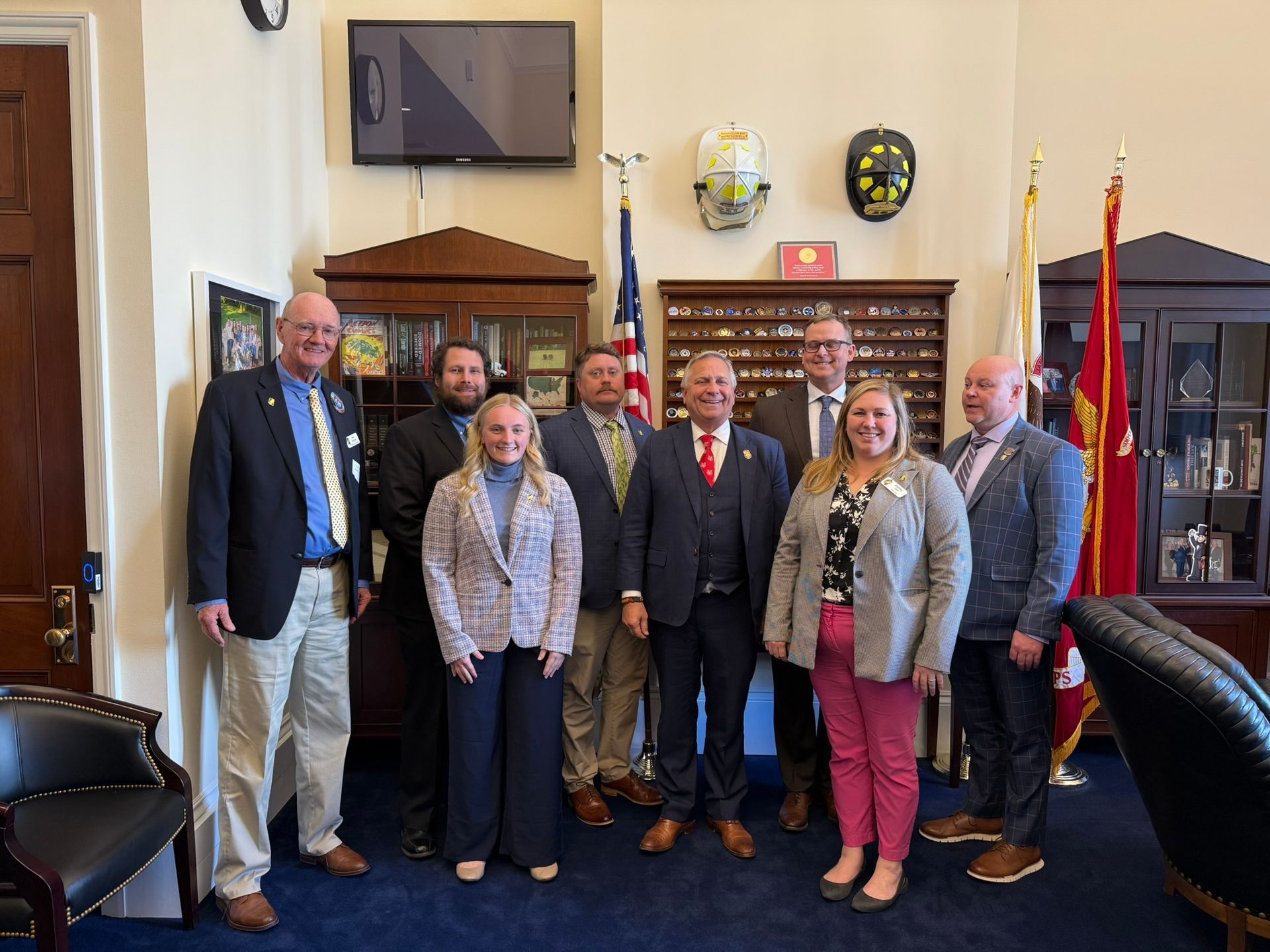
- ICGA leaders participated in a major Washington, D.C. fly-in, meeting with 17 Congressional offices and 50+ partners, embassies, and agencies.
- ICGA brought new farmer voices into the GR.O.W. (GrassRoots Orientation to Washington DC) leadership program, building long-term advocacy capacity.
- Discussions centered on: the severe ag economic downturn, ethanol policy, lock and dam modernization, and conservation funding.
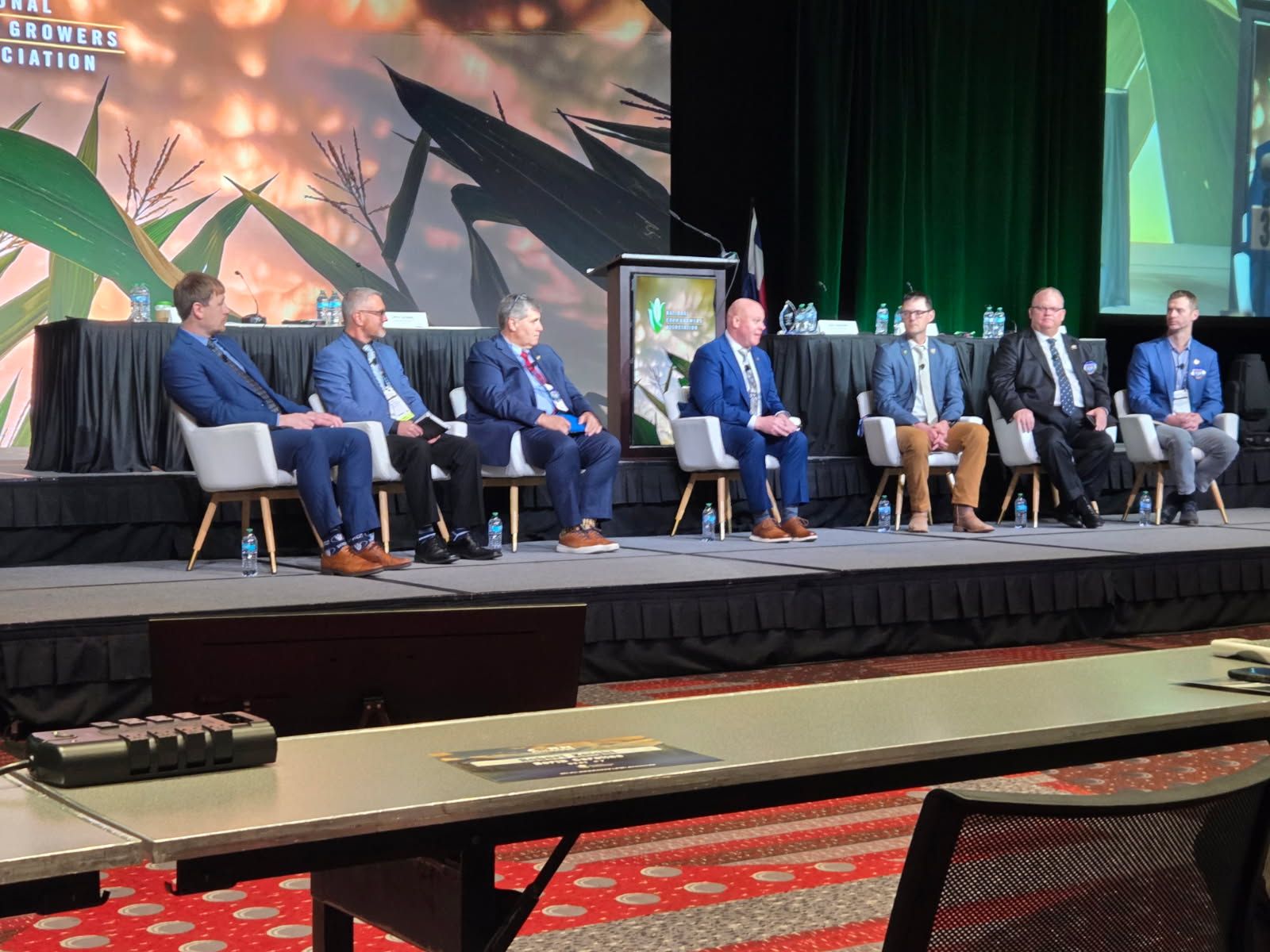
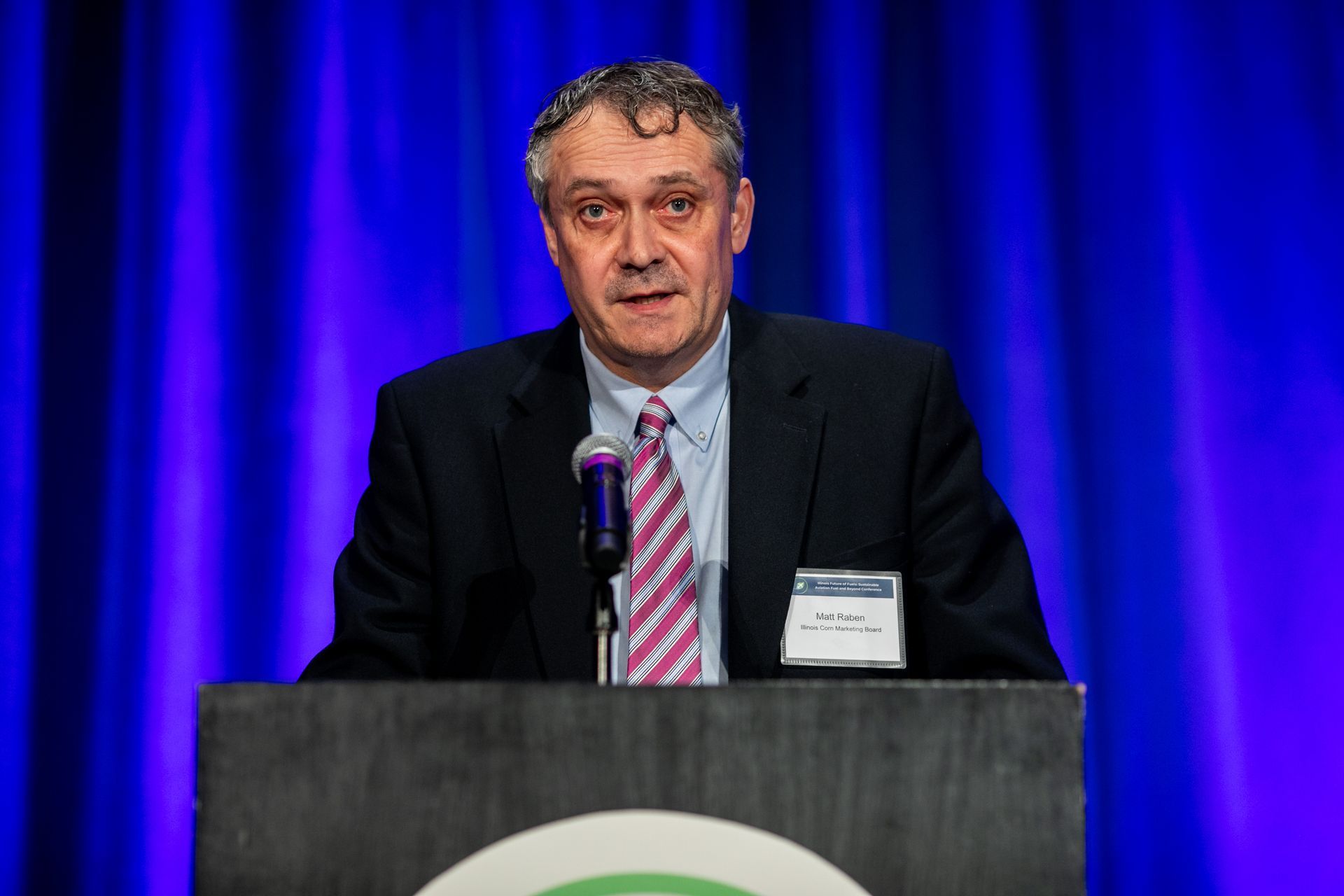
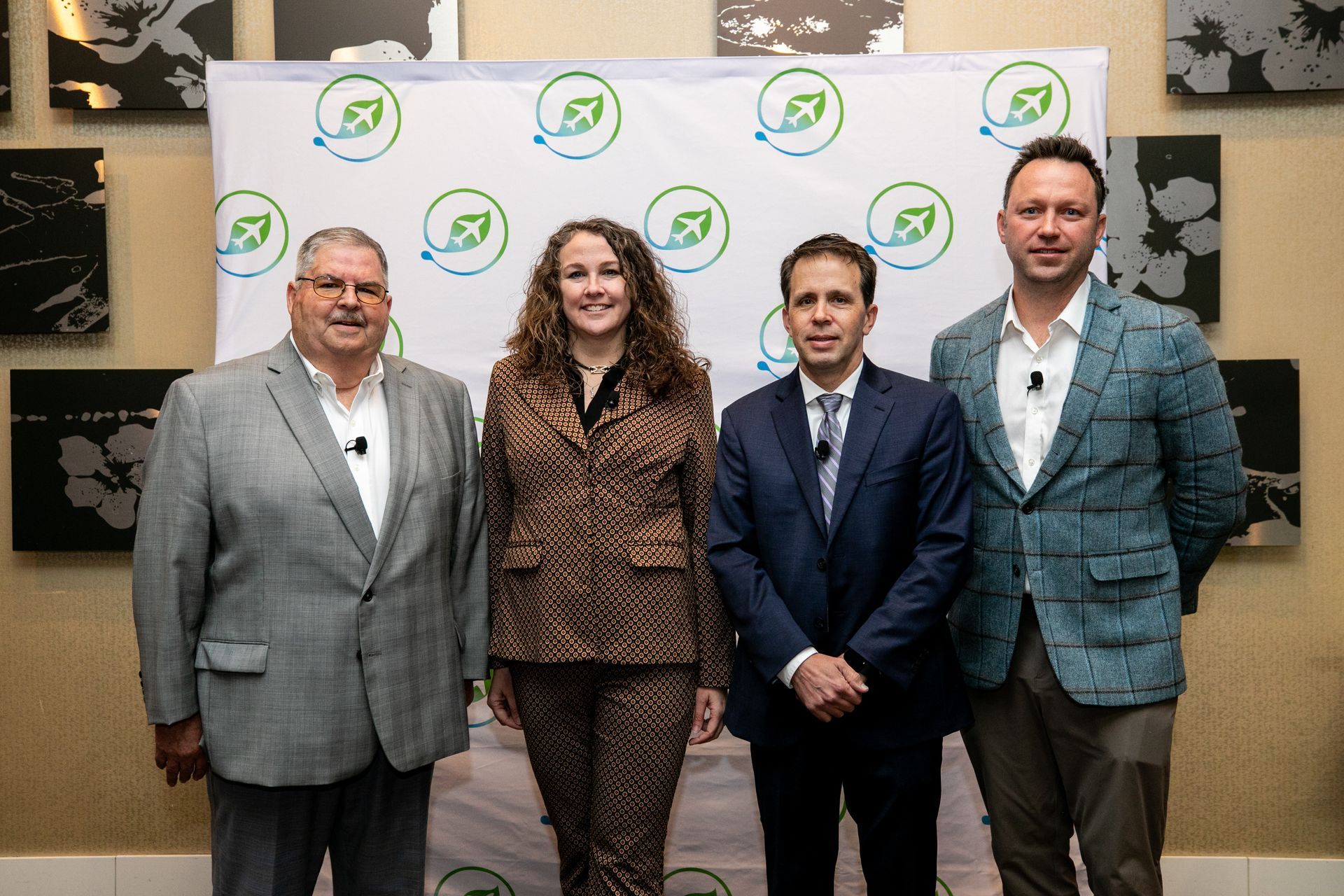
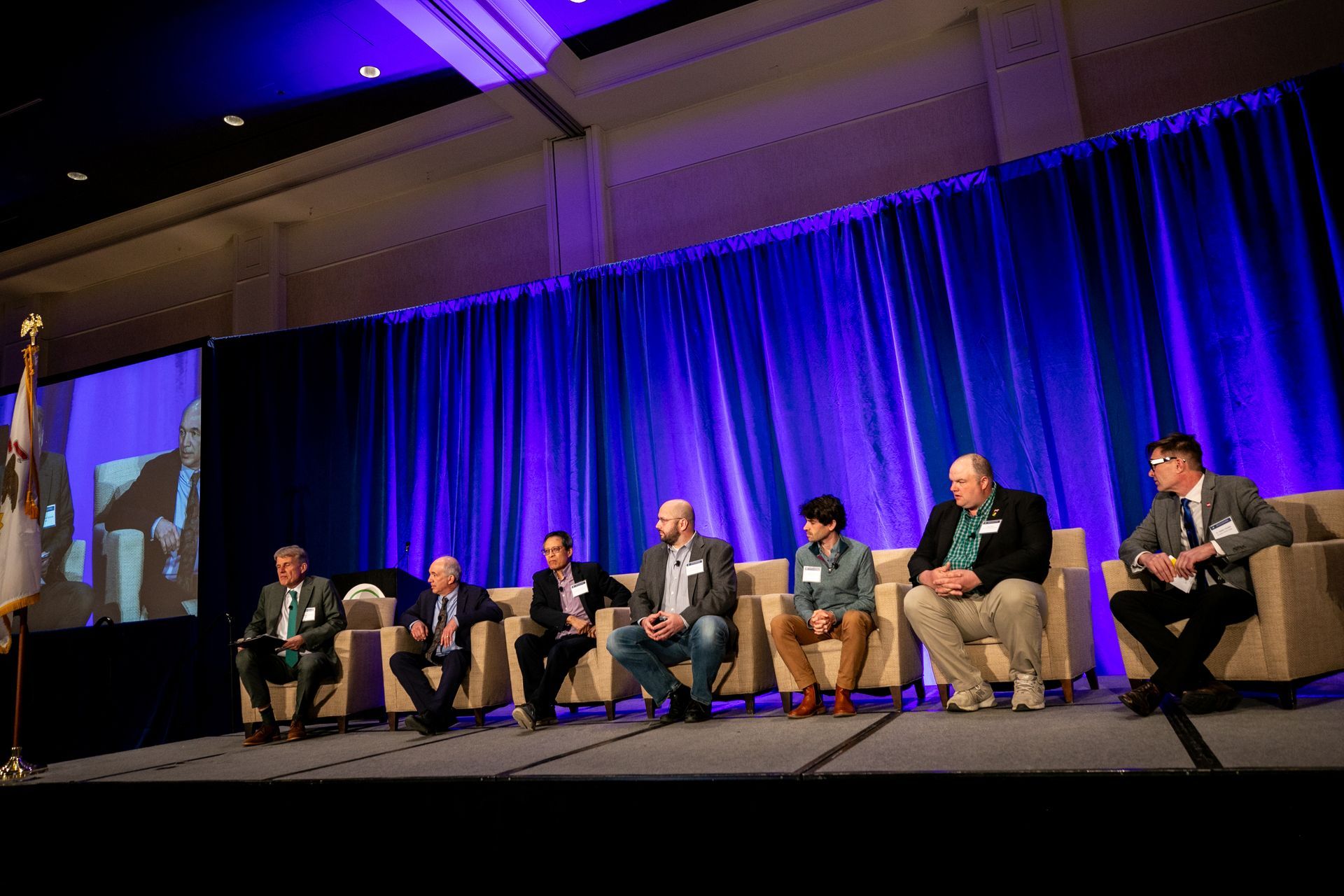
- ICGA helped support and participate in the Illinois Future of Fuels: Sustainable Aviation Fuel and Beyond Conference, ensuring Illinois corn farmers were represented on stage as key contributors to the growing SAF economy. The event brought together airlines, fuel producers, manufacturers, and state leaders to discuss Illinois’s competitive advantage — including its SAF tax incentive, strong ag supply chain, and carbon-reduction potential. ICGA’s involvement positioned corn growers at the center of future low-carbon fuel markets and highlighted the new opportunities SAF could bring to rural Illinois.

By Tara Desmond
•
January 6, 2026
The IL Corn Growers Association recently honored longtime colleague and friend Dave Loos in a way that reflected what mattered most to him: education, curiosity, and investing in the next generation. Dave dedicated decades of his career to advancing Illinois agriculture and the ethanol industry, first with the State of Illinois and later through more than 17 years at IL Corn. He was widely respected for his deep knowledge of biofuels, his passion for learning, and his ability to build lasting relationships across the agriculture and energy sectors. To honor Dave’s legacy, the IL Corn Board of Directors established education scholarship funds for his grandsons. Partners and friends from across the ethanol industry, state and national corn organizations, and policy circles in Illinois and Washington, D.C., came together to contribute. During IL Corn’s annual meeting, Dave’s family was invited to the stage and surprised with the presentation of multiple scholarship checks. Speakers shared personal stories highlighting Dave’s commitment to learning, leadership, and service. Dave’s family expressed heartfelt gratitude, noting that while he would have been deeply appreciative, he also would have been characteristically humble about the recognition. These scholarships serve as a lasting tribute to Dave Loos—honoring his lifelong dedication to education and ensuring his legacy continues through the next generation.
By Tara Desmond
•
January 6, 2026
State-Level Advocacy: Tariff Hearing & Executive Order Signing House Agriculture Chair Sonya Harper (D-Chicago) held a subject matter hearing on the impact of tariffs on Illinois’ farm economy, where IL Corn’s Director of Exports and Logistics, Collin Watters, testified alongside other commodity leaders and the Illinois Department of Agriculture. ICGA also attended Governor Pritzker’s signing of Executive Order 2025-07 on a Taylorville farm—an acknowledgment of the multi-year economic strain caused by trade disruptions, falling demand, and high input costs. National Recognition as Expert Voices This fall, ICGA staff and farmer leaders were featured speakers across major national and regional conferences, underscoring ICGA’s role as a leading voice on sustainability, biofuels, and farmer economics. ICGA participated in panels elevating Illinois corn farmers in national policy and climate-smart agriculture discussions. Organizational Momentum at the ICGA Annual Meeting New officers and directors were elected for 2025–2026, and ICGA honored leaders through the World of Corn Award and Media Award—reinforcing the organization’s strength, credibility, and member-driven leadership.
By Tara Desmond
•
January 6, 2026
Major Presence at the Illinois State Fair ICGA had a strong, visible presence throughout the Illinois State Fair, engaging with members, partners, and lawmakers. During Fair Week, ICGA staff and farmer leaders met with numerous Illinois state legislators to build relationships and discuss key state-level priorities such as regulatory certainty, rural economic development, infrastructure needs, conservation cost-share programs, and the importance of keeping agriculture competitive in Illinois. Farm Progress Show Engagement August also included significant outreach at the Farm Progress Show, where ICGA directors and staff met with farmers, industry partners, and policymakers. Conversations centered on conservation programs, ethanol demand, ag workforce needs, and the farm financial outlook — reinforcing ICGA’s work across policy, market development, and conservation adoption. Preparation for Fall Session Heading into the fall, the policy team continued its groundwork for Springfield’s veto session and maintained federal conversations. IL Corn Testifies on Urgent Need for Mississippi River Infrastructure Upgrades ICGA farmer leader Mark Bunselmeyer testified before the Mississippi River Commission, urging federal leaders to accelerate long-delayed upgrades to Lock 25 and the broader NESP system. He emphasized that nearly half of Illinois corn depends on the river, and decades of farmer advocacy and investment have been met with stalled progress and soaring project costs. Mark called for consistent funding, streamlined Corps processes, and greater input from river users to ensure a modern, reliable waterway system that Illinois farm families and the national economy depend on.