

Contest Ag Day Winner: Meet Ron Meece


By Tara Desmond • April 29, 2026

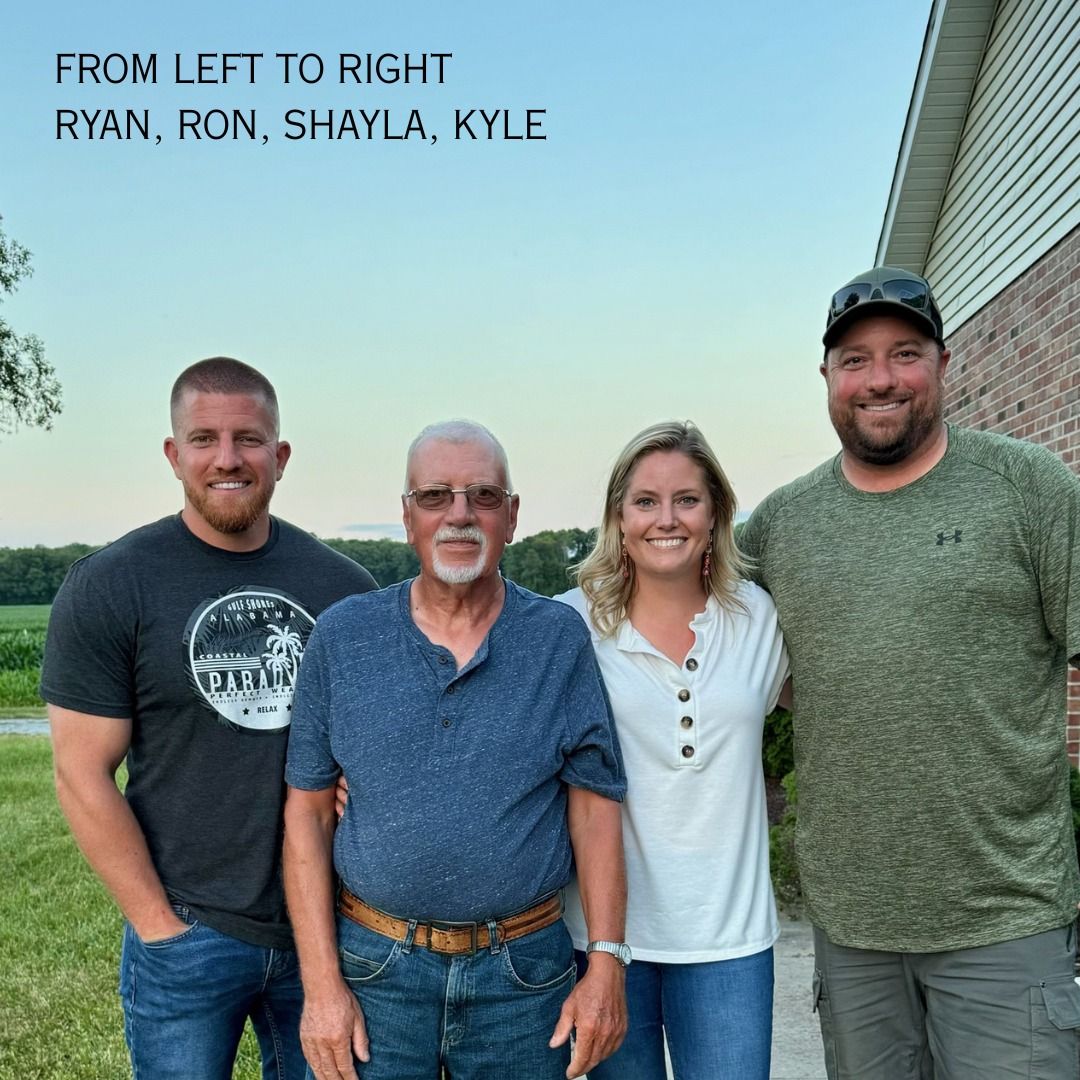
For more than five decades, Ron Meece has called the land around Monticello home. At 72, he’s spent a lifetime farming in Piatt and Champaign counties raising corn and soybeans, a few calves for the freezer, and, perhaps most importantly, a family rooted in agriculture.


“I’ve been here 52 years,” Ron says simply. “And now I farm with my two sons, Kyle and Ryan.”


It’s a straightforward statement, much like Ron himself.


Built Over Generations

Ron didn’t start alone. He began farming alongside his own father in 1974, learning the rhythms of the land long before GPS-guided equipment and high-tech hybrids changed the game.


Back then, farming looked a lot different.


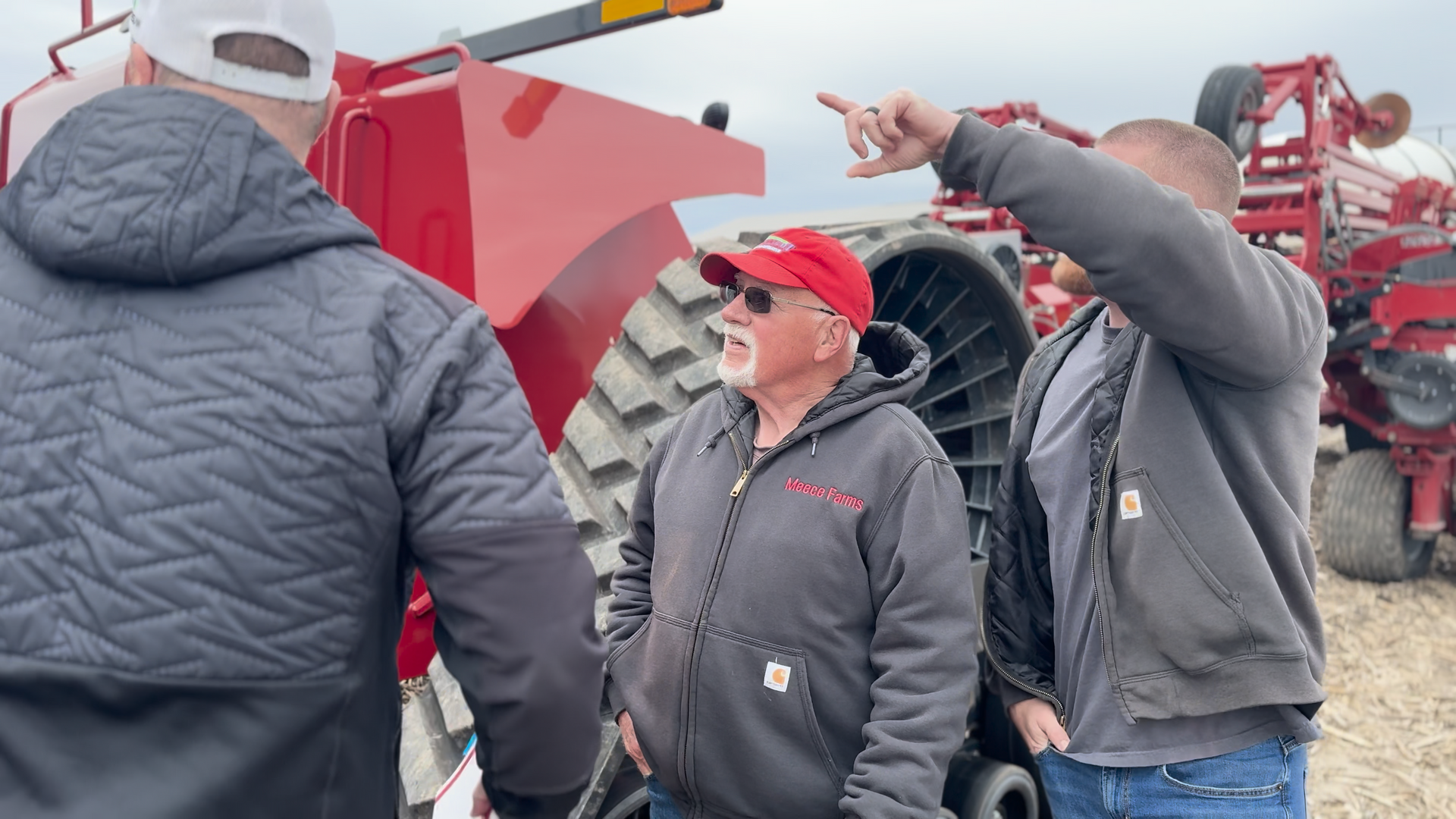
“We used to plant in open tractors with no cab,” he recalls. “Too cold some days to even go out. Now, it could be snowing, and if conditions are right, we’re planting.”


Through decades of change, one lesson stands above the rest.


“The hardest thing was learning the markets when I first started,” Ron says. “You can raise a crop but making money from it, that’s the challenge.”


Farming as a Family

For Ron, farming has never just been a job but it’s been a shared life.


His sons have been part of the operation from the very beginning, officially stepping into larger roles over the past decade. Now, Ron is in the process of transitioning the farm to them.


“I’m starting to slow down,” he says. “Giving them more ground… going to work for them instead of myself.”


It’s a shift that reflects both trust and pride.


“They’re hardworking,” Ron says. “They’ve been out in the world, built their own experience, and come back to help.”

Meece Family
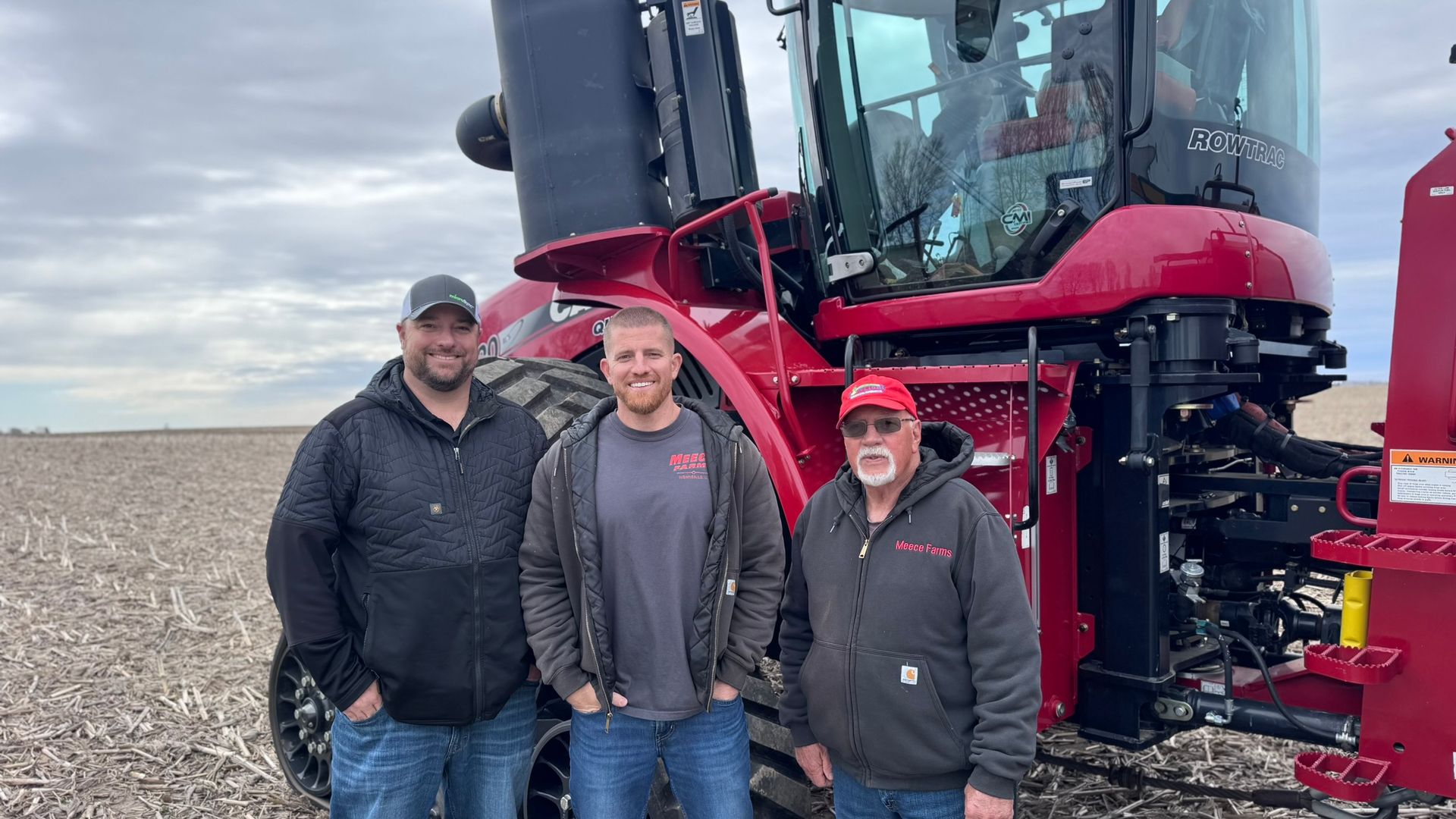
Ron Meece outside planter with sons

Kyle: The Strategist

Kyle, 41, balances farming with a full-time role as an agronomy manager at United Prairie, bringing more than 20 years of industry experience back to the family operation.


He credits his dad for shaping his work ethic.


“I’ve watched him bust his tail for years,” Kyle says. “His work ethic is second to none.”


While Ron may be a man of few words, Kyle sees constant calculation behind the silence.


“He doesn’t always say much but you know he’s thinking. And you know he’ll get it done.”


Kyle’s agronomy background also brings a forward-looking mindset to the farm thinking not just about this year’s crop, but the next five.


“Before we even plant, we’re already talking about inputs for next year,” he explains. “There’s no off-season in farming.”


Ryan: The Entrepreneur

Ryan, 39, recently made the decision to return to the farm full-time after 17 years as a professional agronomist. He also runs his own business Faded Glass, showing the same entrepreneurial drive his father once needed when times were tough.


He remembers growing up on the farm vividly.


“I’d ride in the back of the tractor all day,” Ryan says. “Bouncing around, just wanting to be out there with Dad.”


Now, he sees that same curiosity in his own children.


“They love being around the farm and they love their grandpa, ‘Poppy,’” he says. “He’s quiet, but you see a different side of him with the grandkids.”


Ryan is excited not just about the future of the farm but who might carry it forward next.


Looking Ahead

After recently losing his wife, Ron has also been thinking more about what comes next not just for the farm, but for his family.


He’s now working through estate planning, something he admits he wishes he had started sooner.


“Start early,” he says. “Have a plan so things are easier for your kids.”


It’s practical advice just like everything else he offers.


The Legacy Continues

From his father… to Ron… to Kyle and Ryan and now to the next generation riding along in tractor cabs the Meece farm is more than acres and equipment.


It’s continuity.


It’s resilience.


And it’s a legacy built not on words, but on steady work, quiet leadership, and a deep commitment to family.


As Ron puts it, without much fanfare:

“We get the job done.”


Not a member?

Become one today!

SHARE THIS

Latest Posts

Illinois officials at NCERC news conference
By Lindsay Croke • October 9, 2026
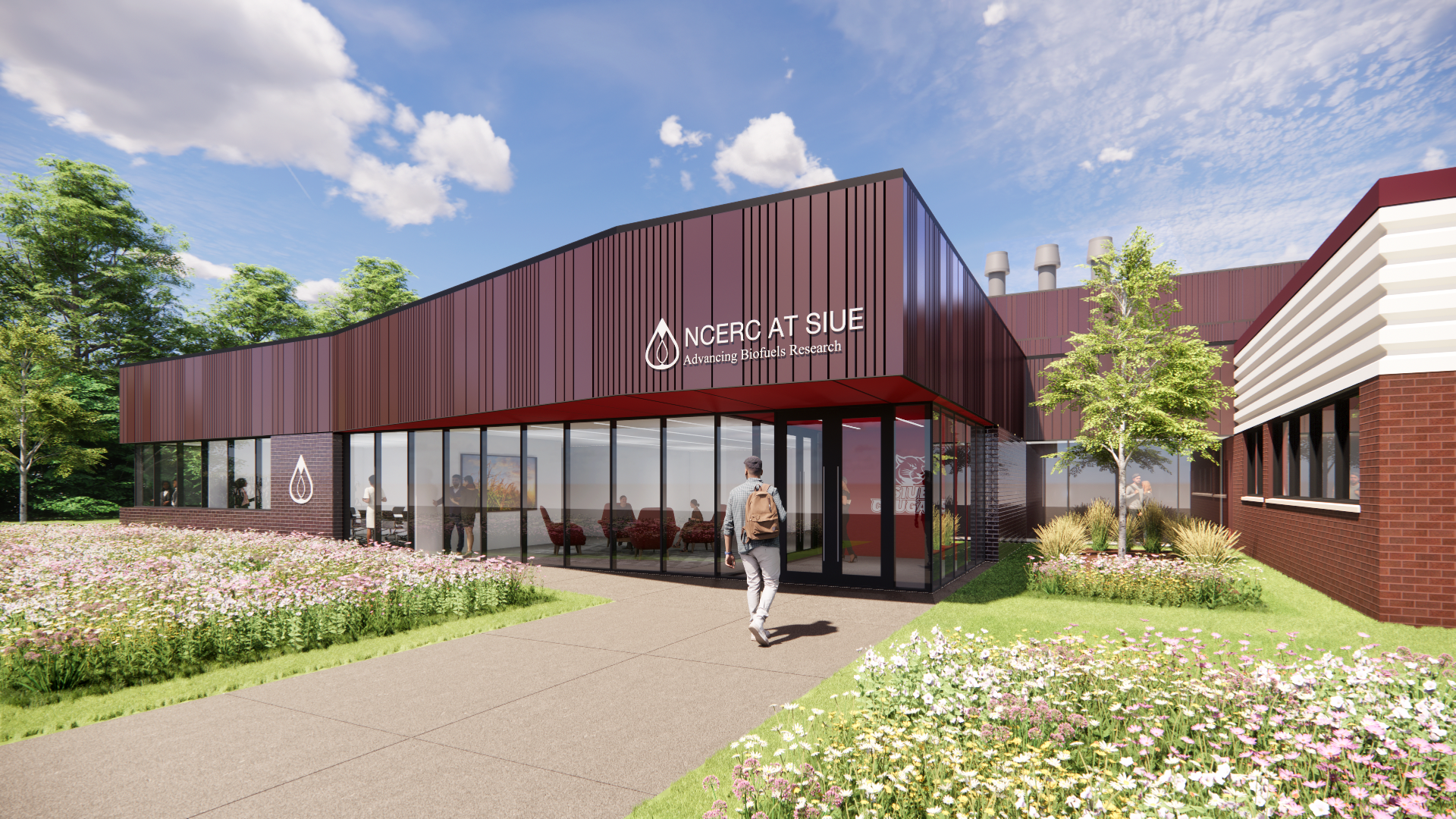
A $15 million investment in NCERC at SIUE will expand the facility and provide opportunities for new bioproducts using corn to scale to commercialization.
National Corn to Ethanol Research Center proposed expansion
By Lindsay Croke • October 9, 2026
Fully funding an expansion of NCERC at SIUE will allow the testing and trials required for new corn products to scale in Illinois.

U.S. Meat being showcased in Tokyo
By John Klemm & Tara Desmond • October 8, 2026
DeWitt County farmer John Klemm shares how exporting beef helps corn and an early look at a slow, wet start to his 2026 harvest.
Corn kernels
By Lindsay Croke • October 8, 2026
Illinois corn farmers are grateful for Governor Pritzker’s effort to lower diesel prices for farmers this fall.
cover crops in the field
By Summary from PCM / Farmdoc Webinar • October 8, 2026
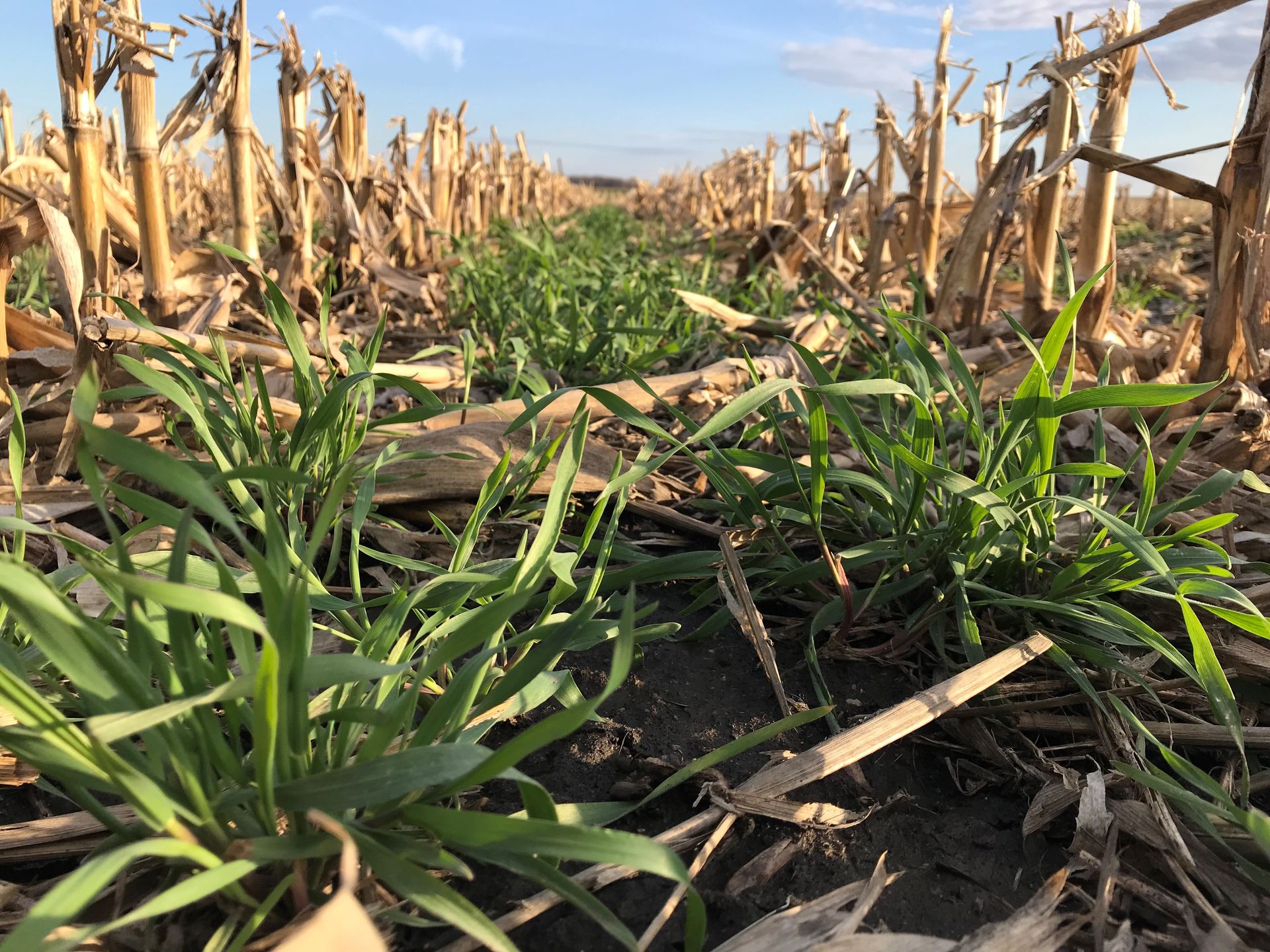
Precision Conservation data shows growing cover crops costs Illinois corn farmers $27.30 an acre to deliver carbon benefits. See how conservation payments compare.
Green combine harvester in a field at sunset, with the sun low on the horizon.
By Lyndi Allen • October 8, 2026
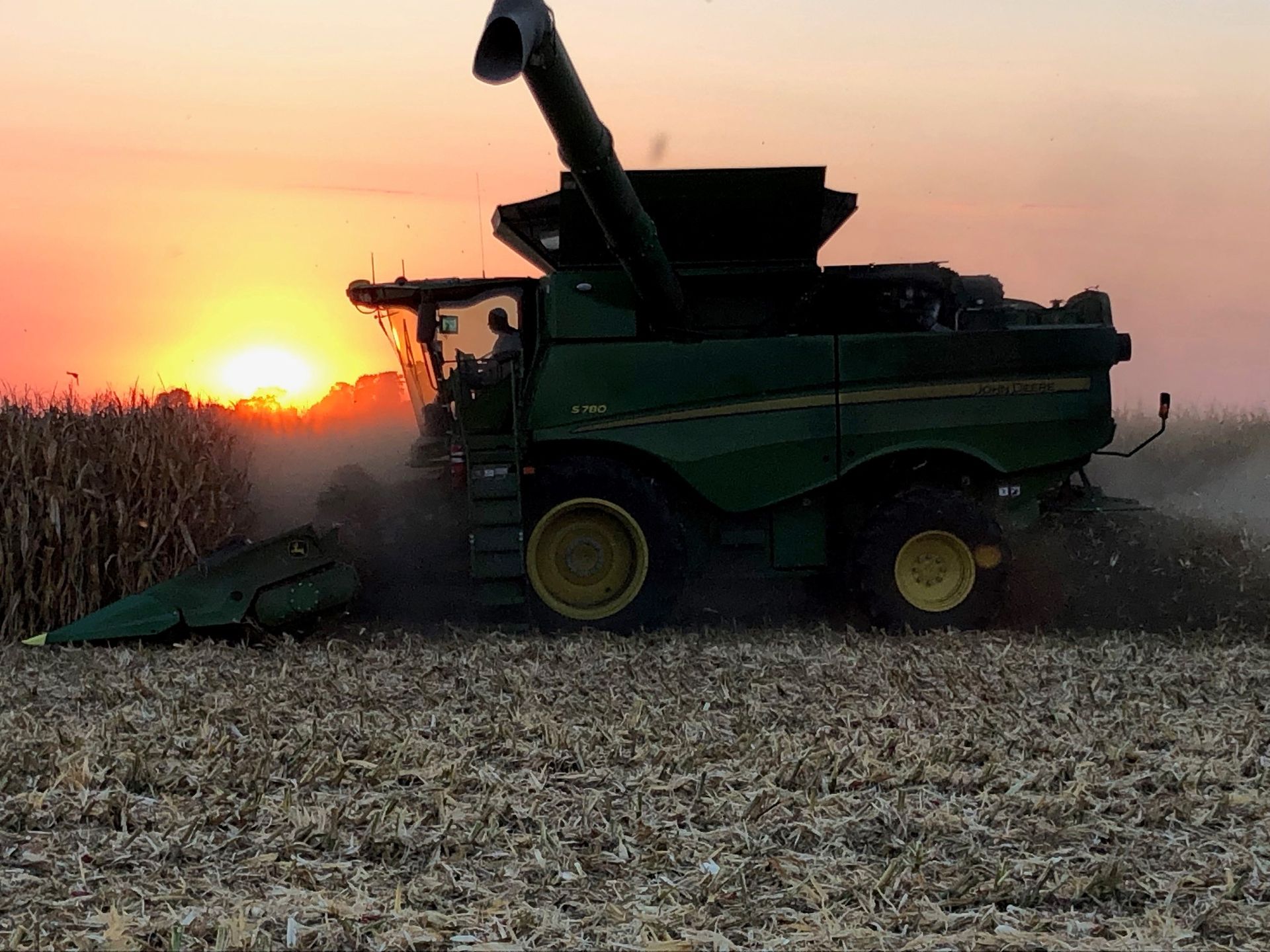
Recent federal and state actions provide potential relief for Illinois farmers facing high costs during harvest, including diesel fuel and grain storage.
anhydrous tanks
By Tara Desmond • October 8, 2026
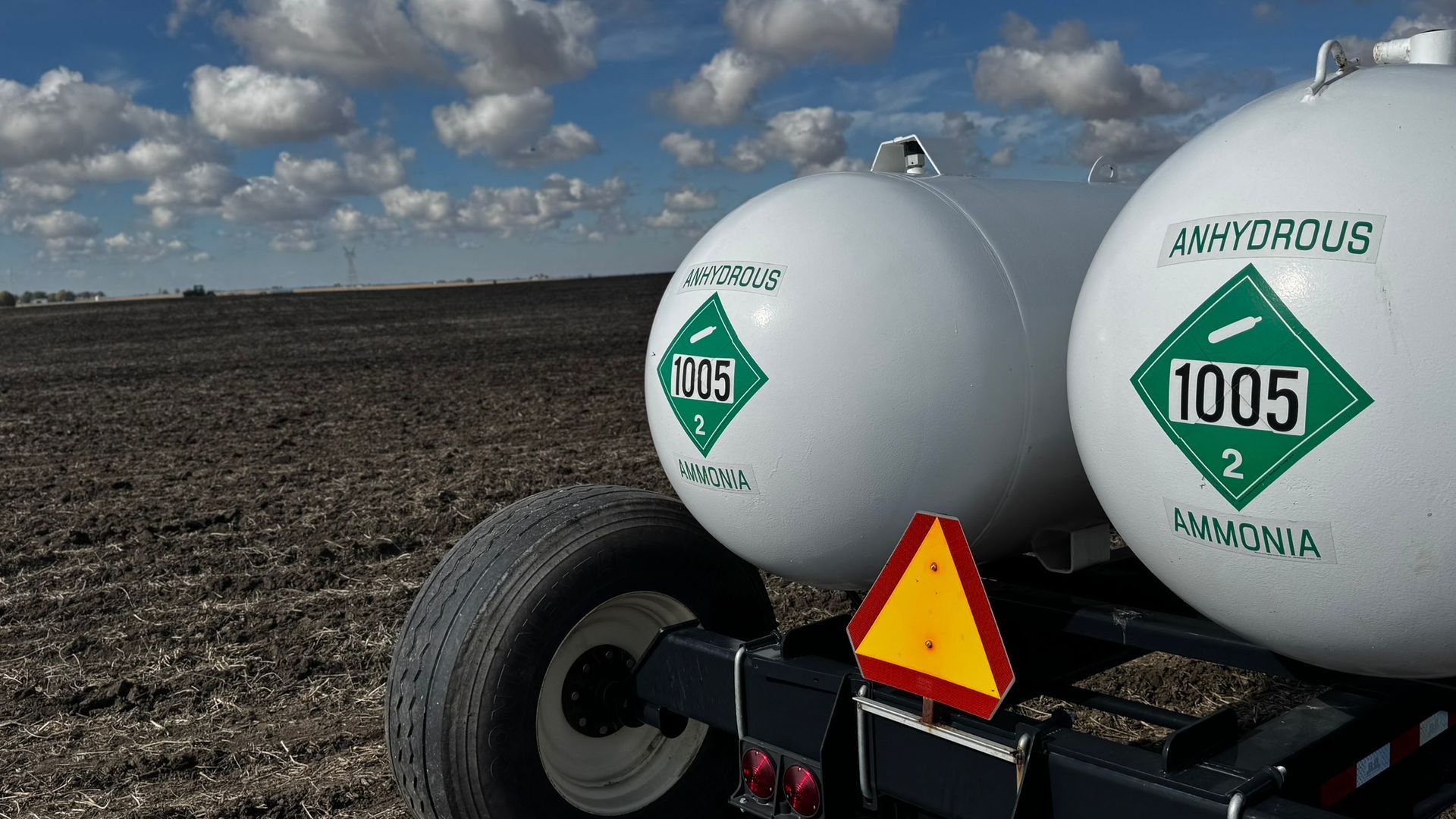
Wait for 50°F soil, watch the forecast, and give your N a chaperone. Seven fall nitrogen tips to keep your money in the field, not the creek.

Michelle and Shane
By Tara Desmond • October 5, 2026
Farm Babe shares how she got Burger King to drop an anti-cattle ad and why farmers' voices matter.

Shane, Gregg and Danna
By Tara Desmond • October 5, 2026
Carle Health nurses explain the free Vial of Life, a fridge-stored medical info kit that helps first responders act fast in a farm or home emergency.
Green combine harvester cutting corn in a dry field under a clear blue sky
By Lyndi Allen • October 1, 2026
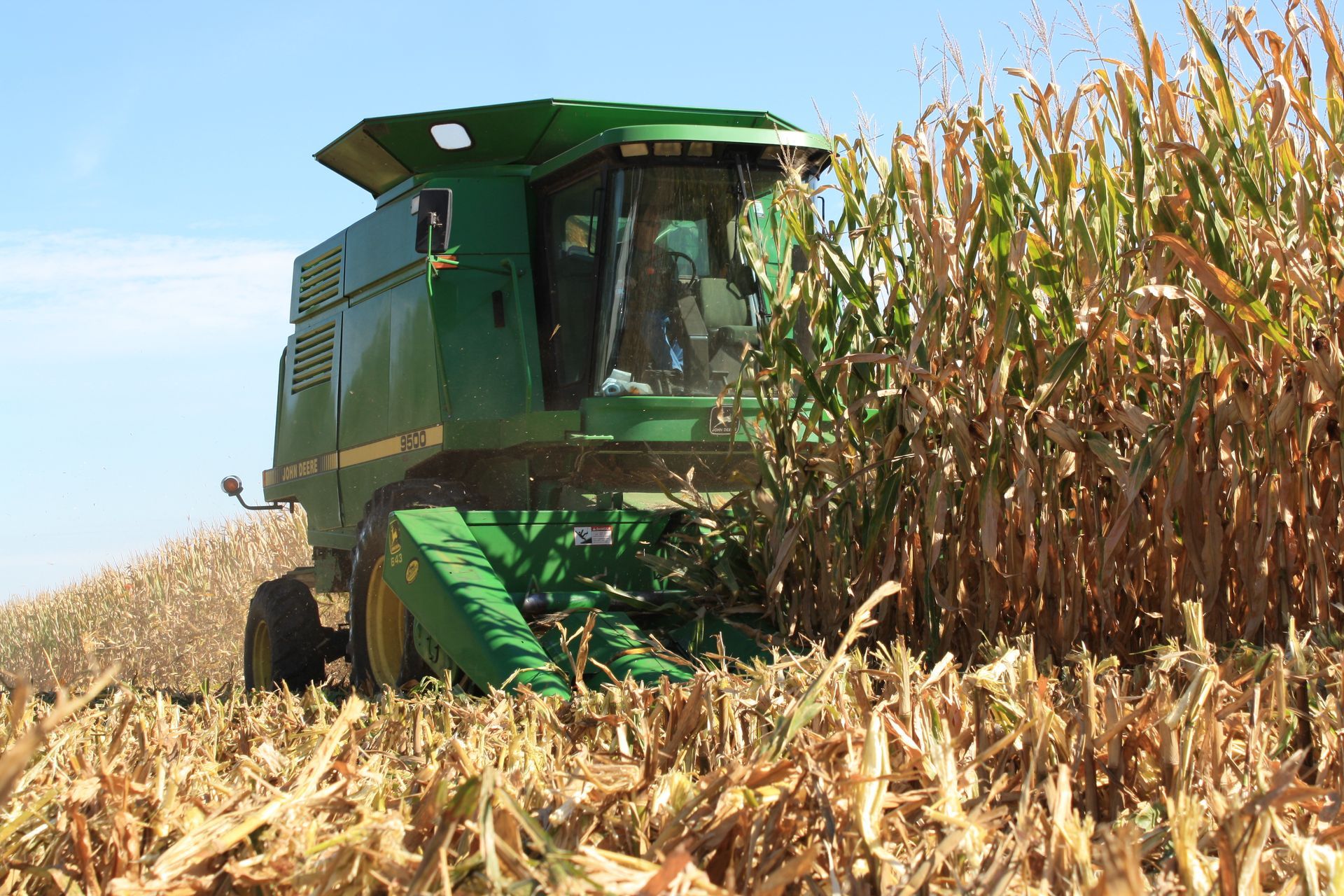
As Illinois farmers enter the harvest season, ICGA is asking state and federal policymakers to find ways to lower the cost of diesel fuel for farmers.
Show More