Rooted in Illinois Ag: Meet Lindsay Croke from IL Corn TV


By Lindsay Croke April 16, 2026

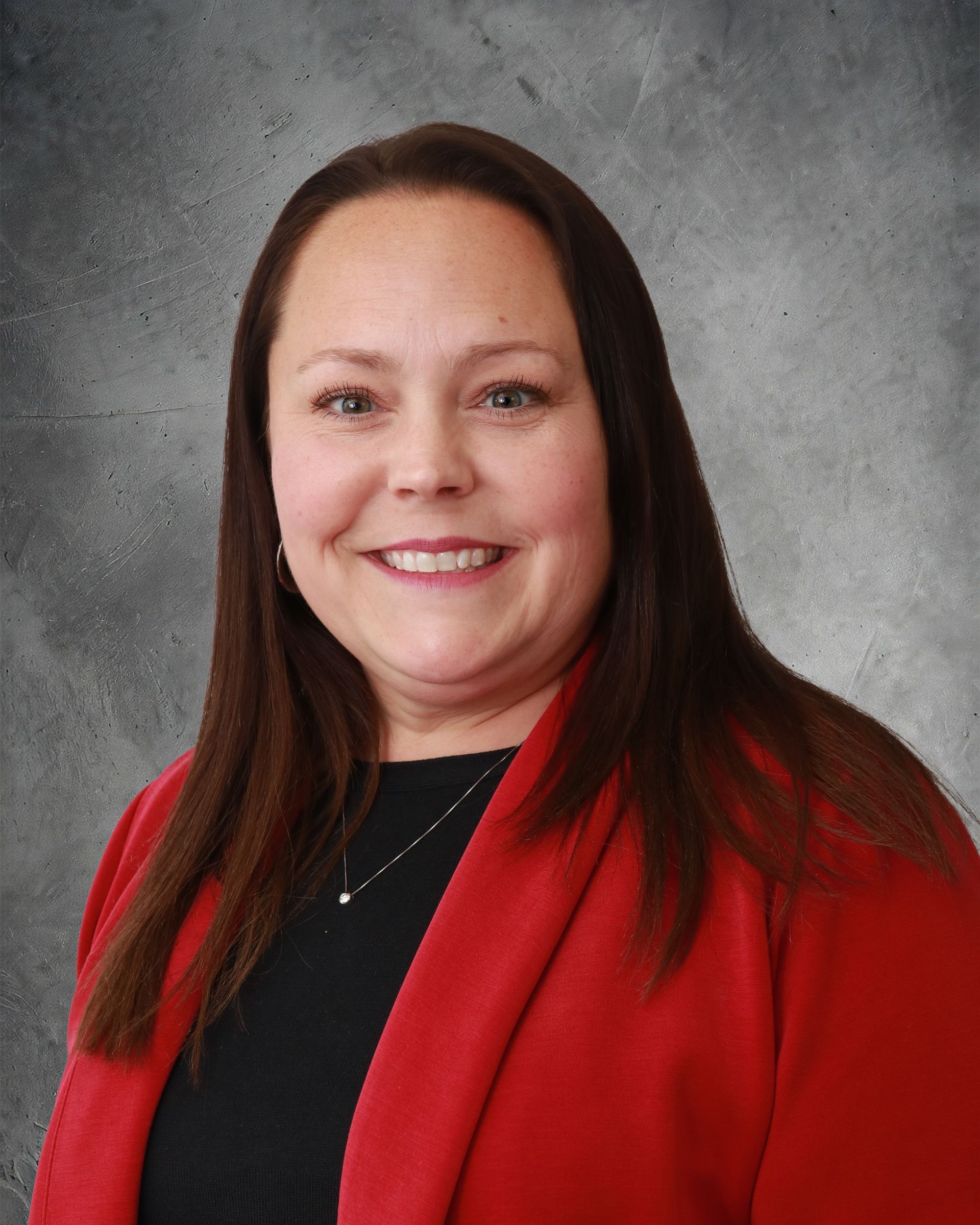
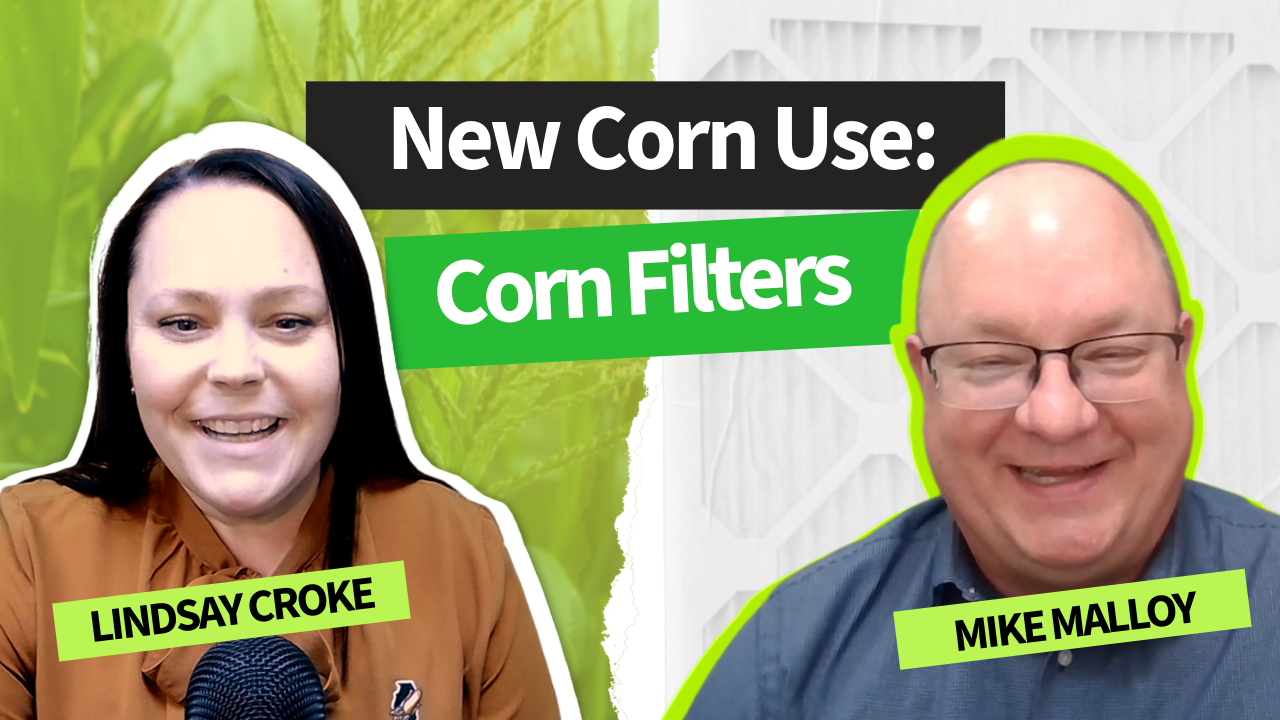
Lindsay Croke is the IL Corn Director of Communications and Marketing today, but she’s served many roles over her 20+ years at IL Corn and brings a lot of historical perspective of IL Corn’s work and goals to IL Corn TV show as a host. We sat down with Lindsay to figure out how she landed at IL Corn, what the work here has meant to her and to our industry, and why she sticks around.

Q: You’ve been with IL Corn for over 20 years - what first brought you here, and what’s kept you here all this time?

A: I was serving as an administrative assistant for Illinois Farm Bureau when a new position at IL Corn opened up. I was drawn to the opportunity to work for and better understand a commodity checkoff, as well as to build my advocacy acumen, a seed that was planted at IFB. I’m still here because I love the work, I feel like I’m making a difference, and spend every day with colleagues and farmer-leaders that feel like family.


Q:How has IL Corn changed over the years, and what’s something that has stayed constant through it all?

A: We’ve grown a bit in every direction since I started – we’re managing a lot more projects, we’re involved in a lot more issues, and we have the staff we need to do all of that effectively. Twenty years ago, we didn’t have social media or a website. Today, I am really proud of our online presence and the way we deliver information. Our social accounts, our website, IL Corn TV, and even the printed pieces we send are sharing important information and I think farmers are reading, watching, and listening. Another change is that I remember discussing conservation practices much less 20+ years ago and now we have a full Precision Conservation Management team and a conservation policy director as well!


What has stayed the same is the focus on Illinois corn farmers. If there’s one thing that farmers really need to understand about IL Corn, it’s that every single decision we make is focused on delivering solutions back to the farm. Our staff are watching political activity and getting involved if we see a way to bring value back to the farm. We conduct programming only if we think there’s value for farm families at the conclusion. The work that we do only happens if it will mean something for Illinois corn farmers when the work is finished. Every program is evaluated in this way.


Q:What’s a project or moment from your time here that you’re especially proud of?

A: There really have been so many great moments, but I think I’m most proud of the We Are the 96% campaign. I love so many things about what we did with that campaign: we worked together with our partners and united with one message, we focused on farm families that are the backbone of our industry, we shared really important information with our neighbors who genuinely want to know more about farmers and farming. This was an amazing, award-winning campaign and I’m elated I got to be involved.


Q:What’s something people might be surprised to learn about you outside of work?

A: I’m an introvert. I have learned how to be outgoing and I’m not nervous to chat with people one-on-one or to give a presentation in front of many, but at the end of the day, I need some alone time to recharge.


Q: Favorite book?

A: Gone with the Wind


Q: What’s been one of the most memorable or impactful IL Corn TV segments you’ve worked on?

A: There are so many great ones! To share more than one, I’ll say that my most memorable episode was getting to interview my mentor and friend, Mark Lambert. The most impactful episode was probably a mental health episode with Nick Weshinskey. I hope and pray that segment reached the people that needed to see it.


Q: If someone is watching IL Corn TV for the first time, what do you hope they take away from it?

A: I hope that our viewers get two things from watching IL Corn TV:

  1. The ag industry is so connected, so vibrant, so interesting that the stories we could tell about our work, our partners, and how that impacts Illinois farmers is never ending. This inspires a lot of awe for me about the industry, and I hope it inspires our audience as well.
  2. We are open to your personal story and other interesting stories about Illinois corn and Illinois agriculture! If you have something to share, I hope you’ll reach out!


Lindsay’s background in agriculture – she grew up on a farm in Christian County – and her longevity in our industry makes her an IL Corn TV host that brings both personality and perspective to the important interviews that keep corn farmers and ag stakeholders coming back for more.


If you haven’t yet, subscribe to IL Corn’s YouTube channel and sign up for a weekly e-mail or text reminder when new IL Corn TV episodes are available!


Not a member?

Become one today!

SHARE THIS

Latest Posts

Lou Lamoreux Farm
By Tara Desmond September 3, 2026
Livestock farmer Lou Lamoreux talks about his farming operation.
captain Cornelius at shake it up cocktail lounge
By Tara Desmond September 3, 2026
4.29M bushels of U.S. corn fueled beverage alcohol production in July 2026 alone — up 54% from July 2025. Corn's in your Labor Day toast!
aerial view of short corn
By Tara Desmond September 3, 2026
Illinois farmer Steve Fourez tests short stature corn against conventional hybrids, exploring yield potential and late-season management benefits.
USDA building
By Lyndi Allen September 3, 2026
This week, U.S. Secretary of Agriculture Brooke L. Rollins announced the U.S. Department of Agriculture (USDA) Data Modernization Plan to put Farmers First, reduce unnecessary burdens on producers, and improve the timeliness, accuracy, and usefulness of the data that informs agricultural decisions. USDA data informs crop and livestock estimates, risk-management tools, disaster assistance, and critical business decisions made by farmers, ranchers, agribusinesses, researchers, and policymakers. In February 2026, Secretary Rollins issued a Request for Information seeking feedback on the opportunities, challenges, and emerging areas in USDA data. That feedback helped shape the USDA Data Modernization Plan and its four pillars: Modernize the Data Reporting Experience: USDA will expand use of administrative data, improve mobile access to surveys, explore opportunities to use prefilled information where appropriate, and strengthen coordination across the Department. These changes will reduce duplicative requests and limit the amount of time producers spend reporting information. Enhance Acreage and Yield Estimation: USDA will conduct a pilot to evaluate the use of improved satellite imagery, geospatial tools, crop models, and other emerging technologies combined with essential producer-reported information to enhance acreage and yield estimations. USDA will also assess the use of optional field inputs to enhance and ground truth yield estimates and continue advancing yield research through collaboration with agricultural partners and land-grant universities. Integrate Data and Technology Platforms: USDA will modernize its technology infrastructure, expand secure data-sharing capabilities, and evaluate the responsible use of tools such as artificial intelligence and machine learning. Better integrated systems will improve efficiency, reduce duplication, and allow USDA to produce more timely and useful information. Expand Trust and Transparency with Producers: USDA will protect producer privacy, clearly explain why information is requested and how it is used, and create additional opportunities for producers to provide feedback. USDA will also improve communication surrounding reports, methodologies, response rates, and data limitations. USDA will begin implementing actions under the plan immediately and will continue engaging farmers, ranchers, and agricultural stakeholders throughout the process. The Department will evaluate new approaches carefully, protect privacy and confidentiality, and publish clear methodologies and supporting information to maintain the integrity of USDA’s agricultural statistics. See USDA’s Full Data Modernization Plan
Cornfield beside a dirt path under a blue sky with wispy clouds
By Lyndi Allen September 2, 2026
EPA has granted 1.76 billion RIN exemptions to small refiners, raising concerns among farmers and biofuel producers about the potential impact on demand for renewable fuel.
Weekly News
By Lyndi Allen August 28, 2026
News from IL Corn for week ending 8/28/26
Tall green corn plants under a partly cloudy blue sky
By Lyndi Allen August 27, 2026
New tariffs on Canadian goods took effect August 22, a critical market for U.S. agriculture. For Illinois farmers, the concern is what these tariffs could mean for demand.
Golden field at sunset with distant trees and a low farmhouse on the horizon
By Lyndi Allen August 27, 2026
A proposed merger between Union Pacific and Norfolk Southern would create the first true transcontinental Class I railroad in the United States, what does it mean for farmers
By Tara Desmond August 27, 2026
Get to know volunteer Southern Illinois farmer Matt Raben - New IL Corn Marketing Board Chair
Rachel Curry on IL Corn TV
By Tara Desmond August 27, 2026
Behind the Numbers: What's Really Driving Nutrient Loss in Illinois
Show More