
Why Barley Might Beat Cereal Rye Ahead of Corn


By Tara Desmond & Jim Isermann July 14, 2026

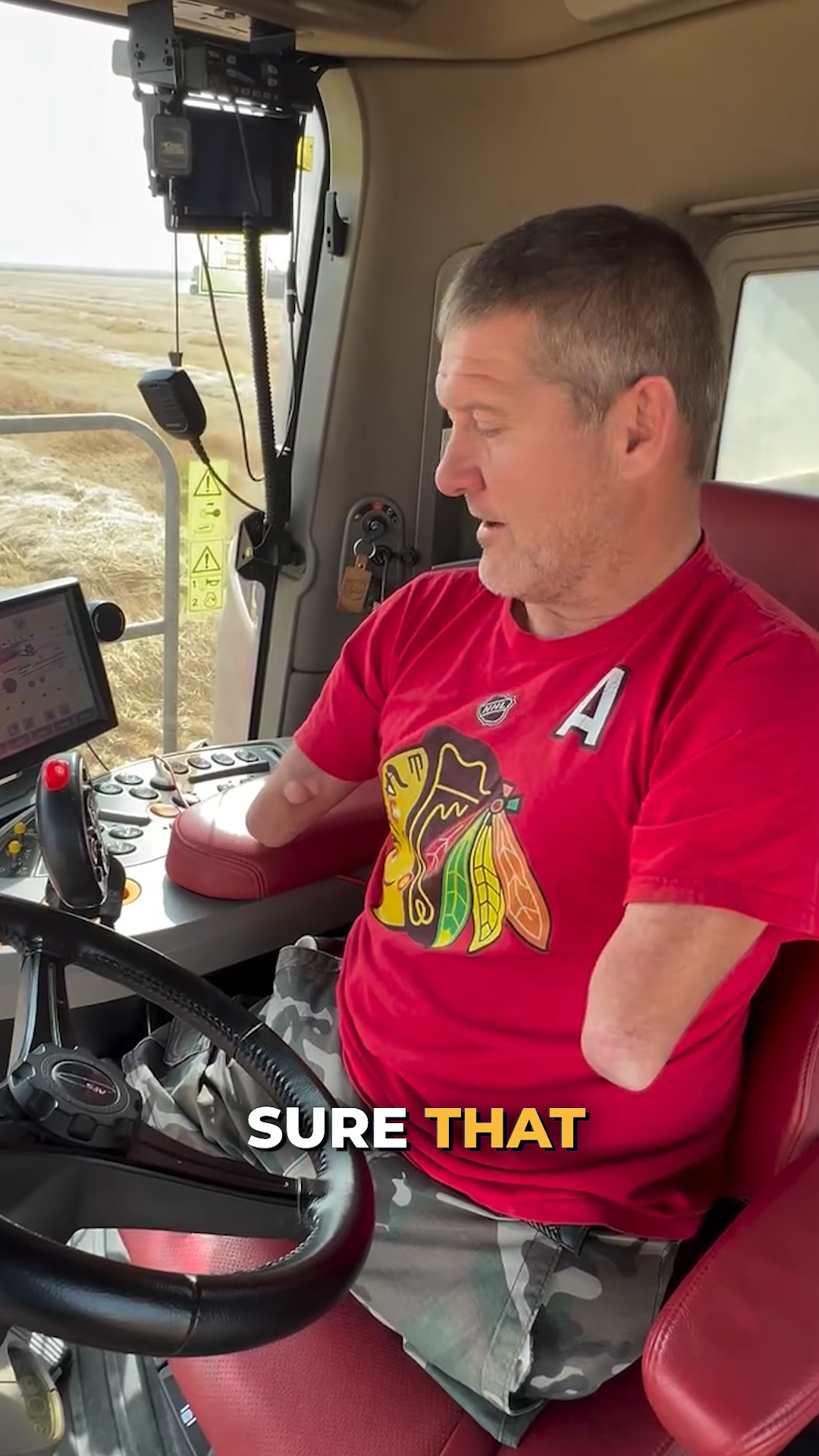
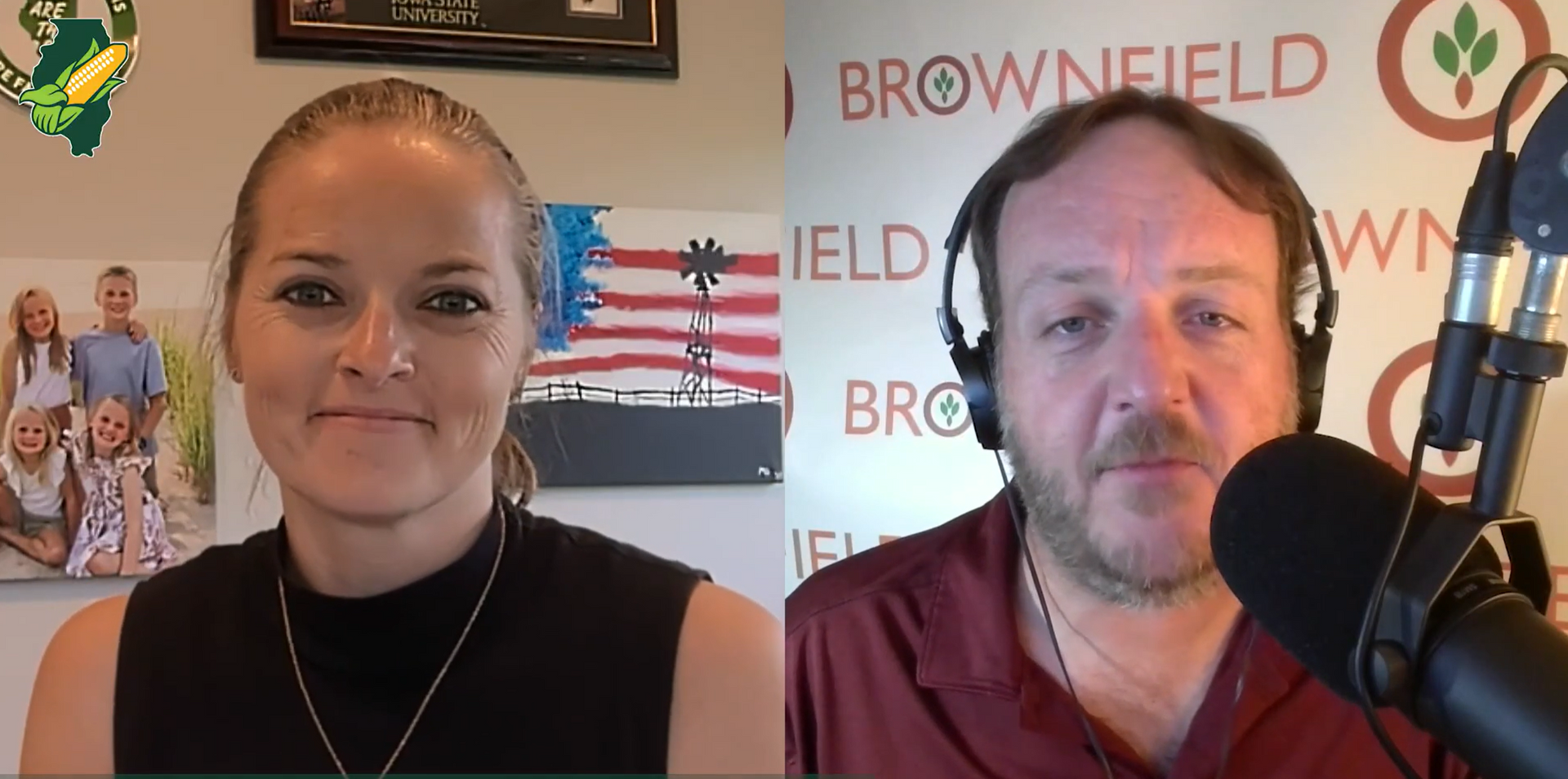
Cover crops ahead of soybeans get a lot of attention and cereal rye is often the first recommendation. But planting cover crops ahead of corn takes more planning and management. Illinois Soil Health Specialist Jim Isermann breaks down the key considerations for planting cover crops ahead of corn in the video to the right. Or, keep reading for the highlights.


Why Cereal Rye Can Be Challenging Ahead of Corn

Cereal rye can work before corn, but it requires careful management.

Here's why:

  • Both are grasses.
  • Because cereal rye and corn are in the same plant family, the risk of pests and diseases can increase.
  • It can tie up nitrogen.
  • If cereal rye isn't terminated early enough, it can temporarily reduce nitrogen availability for the corn crop.
  • It may affect germination.
  • Cereal rye can have an allelopathic effect, meaning it releases compounds that may suppress corn seed germination.


That doesn't mean you should avoid cereal rye, it just means timing and management are critical.

Barley: A Simpler Option

Many farmers choose barley as a lower-risk alternative ahead of corn.


Benefits include:

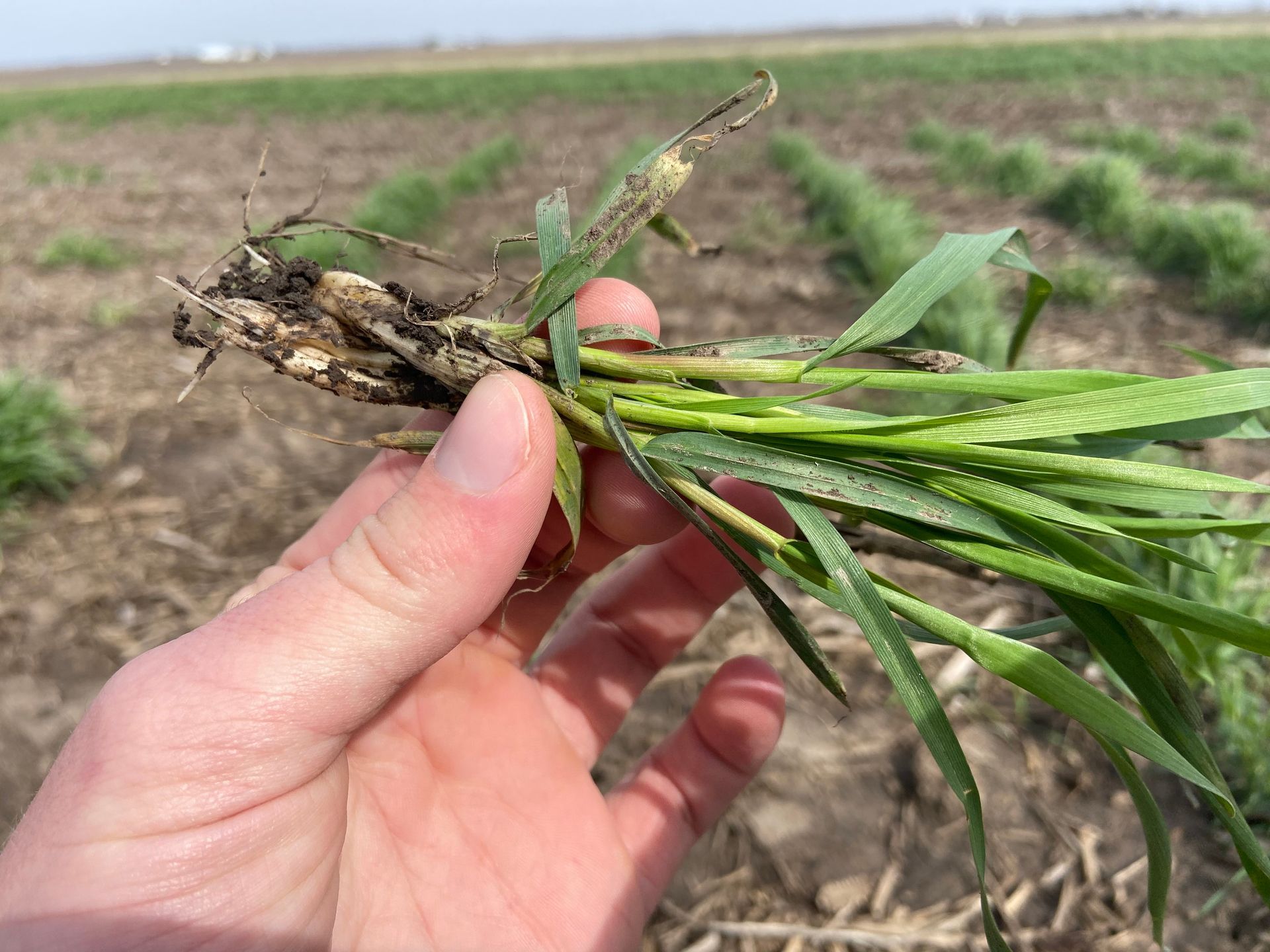
  • Shorter growth, typically 2 to 3 feet tall (compared to cereal rye, which can reach 6 feet).
  • Slower spring growth, giving you a larger window for termination.
  • Easier overall management.


Keep in mind:

  • Barley isn't as winter-hardy as cereal rye.
  • It needs to be planted earlier for the best chance of surviving the winter.


Timing Is Everything

For most cereal cover crops (including cereal rye, barley, wheat and triticale) a good rule of thumb is to terminate when the cover crop is 8 to 12 inches tall. Keeping growth in that range generally makes termination easier and helps reduce potential challenges for the following corn crop.


Don't Overlook Other Cover Crop Options

Cereal cover crops aren't the only choice.


Other options include:

  • Legumes
  • Brassicas
  • Annual ryegrass


These species can:

  • Improve soil health.
  • Help build nitrogen for the following corn crop.


However, they also require:

  • Earlier planting dates.
  • More management.
  • Establishment before harvest in many cases, since planting after harvest is often too late.


Lessons from Two Very Different Years from Isermann Farm

2012: When Cover Crops Paid Off

Wet weather from hurricane remnants allowed many farmers to aerial seed cover crops before harvest. Annual ryegrass and radishes established well, and when a drought later limited forage production, those cover crops became valuable winter grazing for livestock.


The result? What started as a challenging year turned into an opportunity for Isermann Farms.


2019: When Timing Worked Against Farmers

Persistent wet weather delayed termination, leaving many fields with 5- to 6-foot cereal rye ahead of soybeans.


While most farmers avoided major disasters, many experienced yield reductions, a reminder that even good cover crop systems depend on timely management.


Bottom Line

There isn't a one-size-fits-all approach to planting cover crops ahead of corn.


Success depends on:

  • Choosing the right species.
  • Planting at the right time.
  • Terminating on time.
  • Adjusting to weather conditions.


With good planning and management, cover crops can be a valuable tool but as many Illinois farmers know, timing often makes all the difference. Watch full video of Jim Isermann explaining more.


Not a member?

Become one today!

SHARE THIS

Latest Posts

corninillinois
By Tara Desmond July 9, 2026
Top read stories in June
By Tara Desmond July 9, 2026
When Shane Gray sat down with Monica Ognio for this episode of IL Corn TV , they quickly discovered they had more in common than corn and onions. Monica farms with her family in Lima, Peru, where they've grown onions for export for more than 40 years. Their operation also raises sweet potatoes, pecans, pomegranates, strawberries and grapes for pisco on land transformed from desert through reservoirs, wells and drip irrigation. "You can have on one side the whole desert, and then you turn to the other side," she says. A Shared Passion for Teaching and Farming Like Shane, Monica has balanced farming with a career in education, teaching at an international school. Their shared experiences led to a conversation about women in agriculture, global markets and what it takes to produce a high-quality crop. Monica joined the Global Farmer Network after a chance conversation during a farm visit and now connects with farmers worldwide to share ideas on food security, weather challenges and everyday farming solutions. "Having a firsthand connection with somebody... that's a privilege," she says. Farming Challenges Know No Borders With 2026 recognized as the International Year of the Woman Farmer, Monica reflected on becoming a second-generation farmer and encouraged others to build strong teams and rely on trusted experts. "It doesn't matter your age, it doesn't matter the gender," she says. "If you really look at agriculture as an opportunity, there are lots of things that you can do." Many of the challenges she faces mirror those in Illinois, including unpredictable weather, rising input costs, pest pressure and meeting strict export standards where even a small blemish can keep an onion out of the international market. Watch or listen to the full conversation on IL Corn TV to hear more about farming Peru's desert coastline, exporting to a changing global market and the lessons Monica has learned along the way.
Matt
By Tara Desmond July 9, 2026
Meet the Illinois farm families behind our Father's Day photo contest winners
Close-up of an orange corn cob on a dried stalk in a field, with a blurred brown background
By Lyndi Allen July 9, 2026
Illinois is a prosperous agricultural state at the heart of high yields, bustling manufacturing, and a vast transportation system. These qualities have made Illinois a top agricultural state.
drone image don meyer farm tornado amboy il 2023
By Pearl McDade July 8, 2026
Don Meyer's 2023 tornado recovery offers lessons in resilience and optimism after disaster.
ICTV
By Tara Desmond July 2, 2026
E15, E20, E30: What the Research Really Shows
Schultz/Miller Family
By Penny Lauritzen - Illinois Agri-Women July 2, 2026
Illinois Agri-Women names three Legacy Farm Families for GoAg3, honoring generations of women in agriculture at an August 21 celebration.
Matt Boucher
By Tara Desmond July 2, 2026
Meet Matt Boucher of Boucher Family Farms in Dwight, IL — a 4th-gen farmer using cover crops, custom application & more. Read his story.
U.S. Capitol with “FARM BILL” text overlayed on the left
By Lyndi Allen July 2, 2026
Chairman John Boozman of the U.S. Senate Committee on Agriculture, Nutrition, and Forestry released a Farm Bill discussion draft on June 23, 2026.
Cover crops
By Lyndi Allen July 2, 2026
USDA's Regenerative Feedstock Rule provides important certainty for farmers as they begin making crop and input decisions. IL Corn has identified what it could mean for corn farmers.
Show More